ACEEE | American Council for an Energy-Efficient Economy
Apr 16, 2026
Strategies for Enhancing Resilience and Minimizing Vulnerabilities to Extreme Heat Events
Extreme heat is one of the fastest-growing climate-related hazards in the United States, increasing mortality, straining buildings and energy systems, and amplifying risks for households with limit…
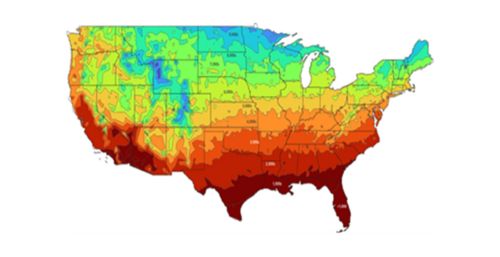
Extreme heat is one of the fastest-growing climate-related hazards in the United States, increasing mortality, straining buildings and energy systems, and amplifying risks for households with limited access to safe indoor conditions. This topic brief examines strategies to strengthen resilience to extreme heat through interventions that reduce heat exposure, improve access to efficient cooling, strengthen building performance and grid reliability during power outages, and reduce risks for vulnerable populations. It outlines three complementary pathways—utility-driven investments, locally-led initiatives, and hybrid utility-community partnerships—that enable coordinated, proactive resilience planning and implementation.
The brief highlights how coordinated investments in energy efficiency, access to cooling, community-based power and flexible demand, and emergency preparedness can reduce peak demand, maintain habitable indoor conditions, and protect vulnerable residents. Drawing on literature reviews, utility climate assessments, expert interviews, and program and policy examples, the brief provides a framework for policymakers, utilities, and community partners to align investments, clarify roles, and scale high-impact interventions that reduce vulnerability and strengthen resilience to extreme heat.
Bridging the Equity Gap for Utility Energy Efficiency Programs
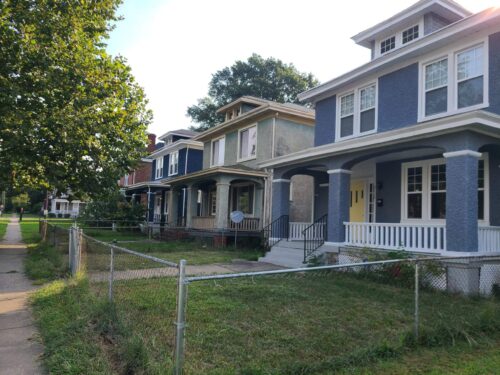
Utility energy efficiency programs have increased investment in low-income households, but significant gaps remain. This report examines spending and savings trends across 48 major U.S. utilities, identifies barriers to expanding low-income programs and highlights policies and program strategies that can improve energy affordability and equitable access to efficiency upgrades.
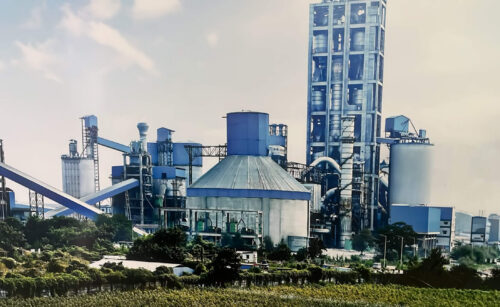
This report identifies pathways for India’s cement industry to decarbonise at a pace compatible with the national climate goal of net-zero emissions by 2070.
Efficiency Saves: Cutting Energy Waste Can Save $31,000 per Household
The United States faces interlocking energy challenges: rising home energy bills and gasoline prices; new demand for electricity from data centers and other loads; high greenhouse gas emissions from burning fossil fuels.
Now, a new era of energy efficiency progress in our buildings, transportation, and industry is needed to meet this moment. This wide-ranging study finds a massive opportunity.
Support the Work That Makes Energy Go Further
ACEEE’s independent research and advocacy depend on the support of foundations, businesses, and individuals committed to cutting energy bills, waste, and climate pollution.