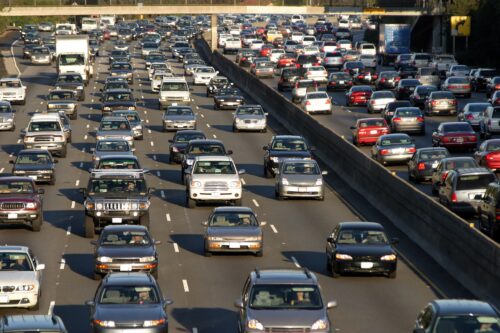
A five-year transportation funding bill unveiled by the House Transportation and Infrastructure Committee would drastically cut federal investments in efficient transportation, driving up costs for American consumers and businesses already facing soaring gasoline and diesel prices.
The BUILD America 250 Act, which reauthorizes surface transportation programs, includes harmful provisions to:
Slash support for programs that lower the cost of moving goods by improving port and intermodal freight efficiency, including repealing the Reduction of Truck Emissions at Port Facilities program.
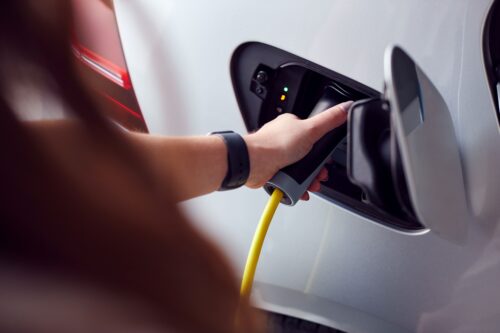
Impose a $130 fee on EVs and a $35 fee for plug-in hybrid vehicles, ramping up to $150 and $50 respectively by 2029, reducing access to vehicles that cost less to fuel.
Repeal the Carbon Reduction Program, which allocates $6 billion in funds distributed across all states to reduce transportation-related pollution, emissions, and congestion, including through traffic management systems, transit, improved port equipment, and bike and pedestrian projects.
“This bill would make U.S. transportation less efficient, more expensive, and dirtier,” said Rachel Aland, transportation director at the American Council for an Energy-Efficient Economy (ACEEE). “Instead of locking Americans into an outdated freight system with volatile fuel costs, we should invest in clean and efficient trucking.”
ACEEE has called on Congress to ensure an efficient, less expensive, and cleaner transportation system by including measures in the transportation bill that would:
Reauthorize the National Electric Vehicle Infrastructure (NEVI) and Charging and Fueling Infrastructure (CFI) programs at current or greater funding levels and modify the programs to encourage shared charging depots that serve multiple heavy-duty fleets at semi-public locations, which would minimize upfront costs for zero-emissions heavy-duty fleets.
Reauthorize funding at current or greater levels for programs that improve port and intermodal freight operations—such as the Port Infrastructure Development Program and Reduction of Truck Emissions at Port Facilities programs—to lower costs by improving truck movement efficiency, cut truck maintenance costs, and reduce port operating costs while increasing the capacity of ports.
Include technical assistance and capacity building support for state and local governments to ensure transportation projects better serve communities and reduce transportation costs.
ACEEE will urge lawmakers to revise the bill to preserve efficient transportation investments that lower costs for families and businesses.
Community Partnerships Power Home Energy Upgrades in This New Mexico City
Las Cruces is poised to launch a pilot program for low- and no-cost energy upgrades for income-qualified households.
Support the Work That Makes Energy Go Further
ACEEE’s independent research and advocacy depend on the support of foundations, businesses, and individuals committed to cutting energy bills, waste, and climate pollution.