ACEEE | American Council for an Energy-Efficient Economy
Jun 28, 2023
2023 Transportation Electrification Scorecard
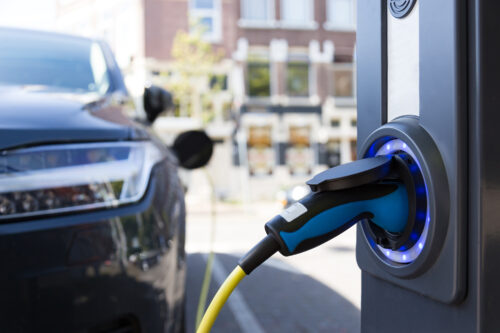
The ACEEE State Transportation Electrification Scorecard evaluates the progress that states are making to electrify transportation and thus reduce transportation-related carbon emissions.
The ACEEE State Transportation Electrification Scorecard evaluates the progress that states are making to electrify transportation and thus reduce transportation-related carbon emissions. Specifically, the Scorecard ranks states on their policies to scale up deployment of light-duty and heavy-duty electric vehicles (EVs) and on their progress building the necessary charging infrastructure for personal, commercial, fleet, and public-transit EVs. Based on centralized data sources, original research, and input from experts, we scored states across five categories: EV and EV charging infrastructure planning and goal setting, incentives for EV deployment, transportation system efficiency, electricity grid optimization, and transportation electrification outcomes. Top finishers include California; New York; Colorado; Massachusetts; Vermont; Washington State; New Jersey; Washington, DC; Oregon; and Maryland. The Scorecard includes policy recommendations that all states can use to advance transportation electrification.
Energy Efficiency Programs for Large Savings in the Next Decade
Expanded utility-funded energy efficiency programs can significantly slow rising electricity demand and reduce electricity bills; this report explains how.
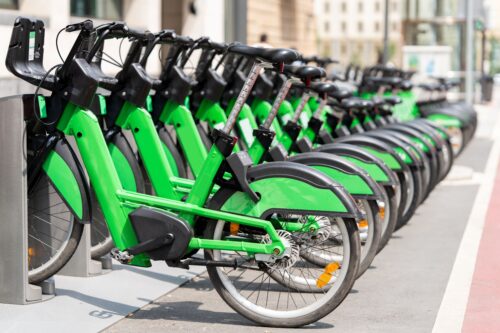
Explore practical strategies, best practices and case studies for planning and implementing clean transportation projects, including electric vehicles, e-bike programs and charging infrastructure, with a focus on improving mobility, reducing costs and expanding transportation access in underserved communities.
Bridging the Equity Gap for Utility Energy Efficiency Programs
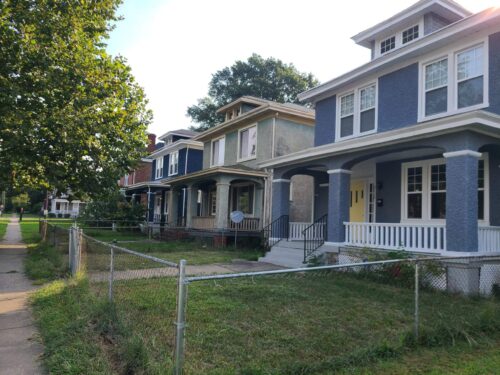
Utility energy efficiency programs have increased investment in low-income households, but significant gaps remain. This report examines spending and savings trends across 48 major U.S. utilities, identifies barriers to expanding low-income programs and highlights policies and program strategies that can improve energy affordability and equitable access to efficiency upgrades.
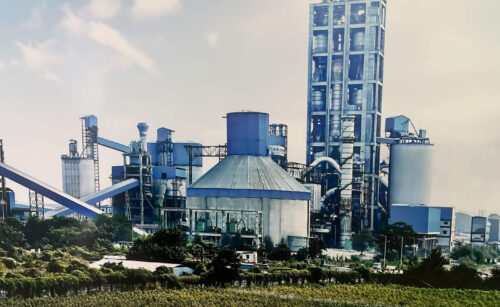
This report identifies pathways for India’s cement industry to decarbonise at a pace compatible with the national climate goal of net-zero emissions by 2070.
Support the Work That Makes Energy Go Further
ACEEE’s independent research and advocacy depend on the support of foundations, businesses, and individuals committed to cutting energy bills, waste, and climate pollution.