Skip to Content

Transportation

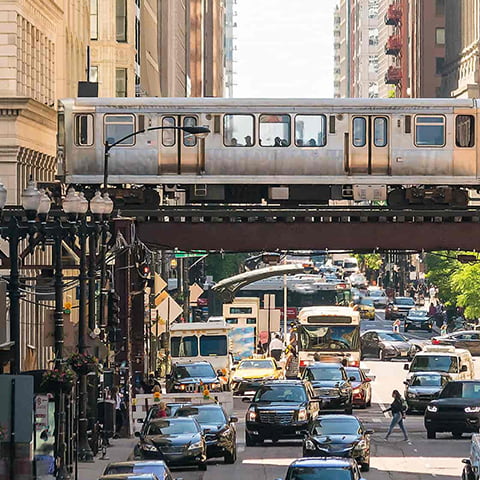
A busy street in downtown chicago, where people are getting around using multiple methods of transportation
$0,000

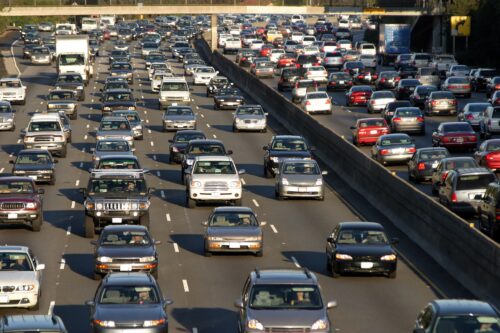
Transportation is the second-largest household cost after housing, with the average household spending over $13,000 per year on transportation costs and nearly $3,000 per year on gas.

Bureau of Transportation Statistics

0%

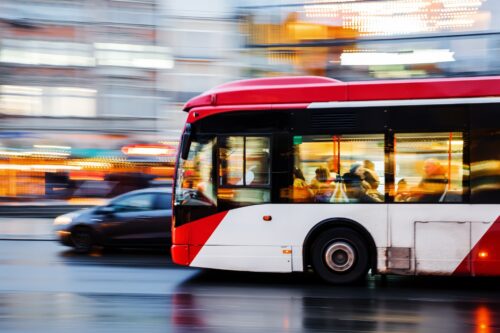
Despite making up just 4–6% of vehicles on the road, medium- and heavy-duty trucks produce more than half of on-road nitrogen oxide and PM2.5 emissions, the fine particles linked to asthma and cardiovascular disease that fall hardest on communities near ports, warehouses, and freight corridors.

U.S. Environmental Protection Agency (EPA)

0%

More than a third of all household vehicle trips in the U.S. are three miles or shorter, and 51% are under six miles. Many of these trips are good candidates for “mode switching” to choices like walking, biking, or public transit to reduce transportation sector emissions. 

Source: U.S. Department of Transportation, Federal Highway Administration (FHWA)

0%

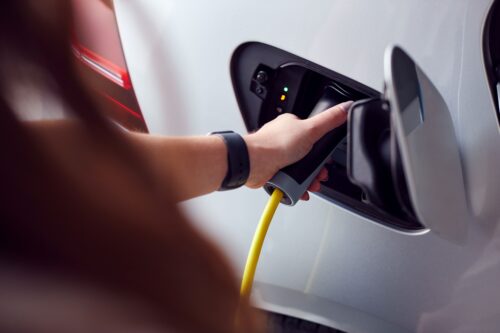
Electric vehicle batteries retain around 80% of their storage capacity after being retired from high-demand uses to power vehicles. This remaining capacity can be used in stationary storage as a second life for the battery to increase the overall efficiency of the EV sector. 

 Repurposing EV Batteries for Second-Life Stationary Storgage (ACEEE Policy Brief)

News & Insights for Transportation

Experts

Daivie Ghosh

Daivie Ghosh

Senior Research Associate, Transportation Program

Support the Work That Makes Energy Go Further

ACEEE’s independent research and advocacy depend on the support of foundations, businesses, and individuals committed to a cleaner, more affordable energy future for all Americans.