Extensive community outreach and partnerships with local organizations are helping the Plugged In For Good program in Las Cruces deliver efficiency and electrification upgrades. ACEEE helped design the program to meet the needs of low-income households through the Residential Retrofits for Energy Equity partnership.
Las Cruces, a city of over 100,000 in southern New Mexico, is poised to launch its pilot program for low- and no-cost energy upgrades for income-qualified households. The pilot program covers 100% of the costs of heat pumps, air sealing, attic insulation, electrical panel upgrades, and heat pump water heaters for participants. It will also help residents access additional rebates available through the state’s home energy rebate program.
Residential Retrofits for Energy Equity (R2E2), an initiative of ACEEE and partner organizations that supports communities with equitable home energy upgrade programs, provided technical assistance to Las Cruces as the city designed Plugged In For Good.
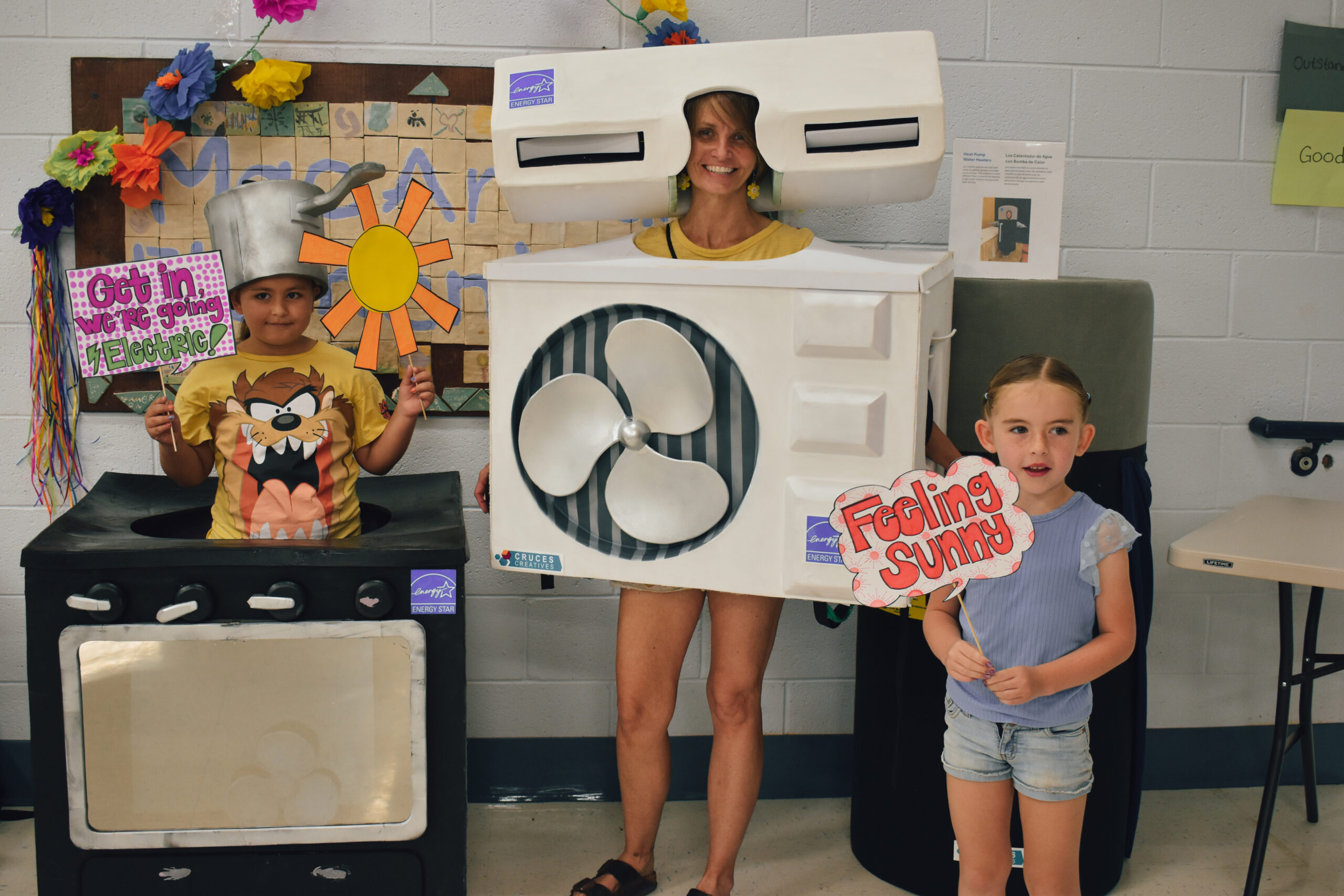
Las Cruces residents at a Fix-It Fair to spread the word about the city’s no-cost home energy upgrade program.
The program was developed after years of monthly meetings between local government, workforce development, racial equity, and other stakeholders and a series of community events—including community dinners, listening sessions, and Fix-It-Fairs—that helped city staff and their partners understand community priorities related to home health, comfort, and affordability. Programs like Plugged In For Good show how community-centered retrofit efforts can improve the outcomes that matter the most to people, like their health and comfort.
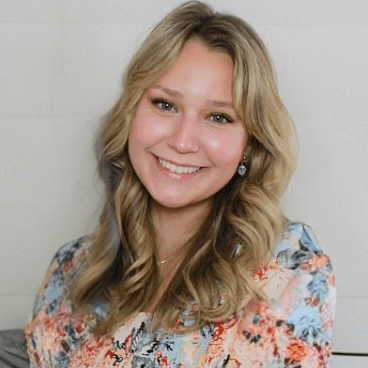
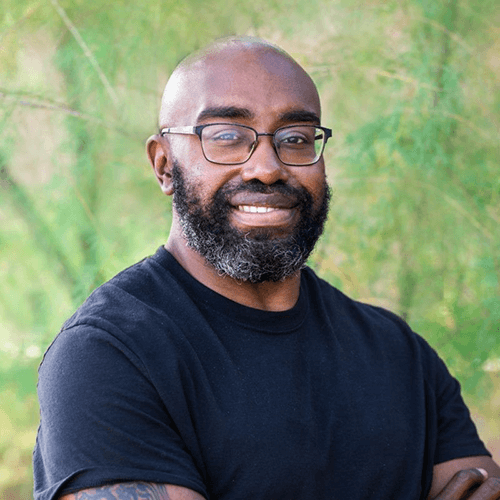
R2E2 recently talked with Plugged In For Good’s Molly Carrier and Marcus Crawford from the Community Action Agency of Southern New Mexico, a community-based organization working with Plugged In For Good, to hear about the program’s rollout.
 |
 |
Molly Carrier,
Las Cruces
Sustainability Office |
Marcus Crawford,
Community Action Agency
of Southern New Mexico |
R2E2: What are the goals of the Plugged In For Good program?
Molly: Plugged In For Good’s main goal is to prioritize the health, safety, and comfort of Las Cruces residents. We do this by providing energy-efficient heating and cooling upgrades and weatherization to local homes, along with support from a dedicated staff person to guide participants through each step of the process. That’s my role as Energy Navigator. We emphasize a person-centered approach that keeps residents’ needs at the forefront of every decision.
R2E2: What did you hear from residents about their concerns and priorities for their homes during your early community engagement?
Molly: We convened focus groups, commissioned a poll, held community meetings, and tabled at events to listen to community members and understand their needs. We heard that people are concerned about summer heat. Families are also dealing with allergies. Las Cruces has intense dust storms, so air quality and health are big concerns. Many residents live in homes that have been passed down through generations, and they want to continue the tradition. Doing this research at the outset defined the focus and tone of our work.
R2E2: How does Plugged In For Good seek to address those concerns and priorities?
Molly: We install heat pumps in every house we work in, providing residents with a lasting solution to extreme temperatures and air filtration. We also make simple repairs to homes to seal the building envelope and harden the house against drafts, dust, and allergens. We emphasize these benefits when we tell people about Plugged In For Good. It’s not just about energy efficiency upgrades—it’s about their family’s health and safety and about making long-term investments in our neighbors’ homes.
R2E2: What role are community partners like Community Action Agency of Southern New Mexico playing in Plugged In For Good during the program’s pilot phase?
Molly: Community partners have been the backbone of Plugged In For Good. They helped us discover the needs of Las Cruces through door-to-door canvassing, surveys, and community dinners where we were able to hold meaningful conversations. One of my favorite strategies was to organize Fix-It Fairs, where people brought broken household items and their neighbors fixed them for free. These events built trust with the community and underscored that the upgrades we’re offering are free. The hands-on support that community partners provide helps us remain responsive to and centered on the community.
Marcus: Our primary role at the Community Action Agency of Southern New Mexico is making referrals. When a client calls about cooling or heating issues, we want to get that person in touch with someone from Plugged In For Good immediately. Using Plugged In For Good funding, we purchased portable air conditioners for participants. The units are a temporary stopgap to ensure families stay cool and comfortable until their new heat pumps are installed.
R2E2: Marcus, what’s the most rewarding part of your organization’s partnership with the city? And the most challenging part?
Marcus: I’m a comic nerd, so I love the idea of people joining forces for the greater good. That’s how I view our partnership with the city. It’s like the Avengers and the X-Men teaming up to help the community, just less spandex. In terms of challenges, there’s a trust gap to contend with. Opportunities that seem too good to be true usually are. It’s important we show our community that Plugged In For Good is an exception.
R2E2: Molly, as an Energy Navigator, what’s the most rewarding part of your job? And the most challenging part?
Molly: The most rewarding part of my job has been developing a trusted relationship with the residents we work with. They’ve shared beautiful stories about how Las Cruces has been their family’s home for generations, and that Plugged In For Good helps ensure they continue to thrive here. As for challenges, like a lot of energy efficiency programs, we had to find a way to overcome federal funding cuts. The loss of grants slowed us down, which was maddening because it delayed our ability to bring heat relief to residents who are counting on us. I’m happy to say we have found other funding sources and are back on track.
R2E2: What does the future hold for Plugged In For Good after the pilot phase?
Molly: We plan to expand our work by bringing home retrofits to an income-qualified multifamily housing complex for seniors, who are especially vulnerable to extreme heat. Moving beyond single-family homes will enable us to support more people. We’re committed to making retrofits like these affordable and accessible to everyone regardless of income. We hope to create alternative financing mechanisms and rebates or incentives to help bring down the cost beyond the income-qualified households where we cover the full cost. Our next phase will ensure that a wider range of residents can enjoy housing that’s healthier, safer, energy efficient, and more comfortable.
R2E2: What advice would you offer to others who are launching a home energy upgrade program?
Marcus: Building community trust entails more than providing a list of generic talking points and potential benefits. Don’t lecture community members, engage them. Have meaningful, authentic conversations with prospective participants. Ask questions about their lived experience and ensure those responses inform your approach. And, above all else, make sure to emphasize individual agency. The community member is steering the ship; you’re just helping them navigate.
Molly: Above all, center the needs of your community. Have structures and processes in place to ensure that residents are prioritized at every phase, that decisions consistently reflect the needs, experiences, and well-being of the people the program is designed to serve. This is not just rhetoric. Residents need to feel that their health, safety, and comfort are our priority. We have to demonstrate this every day. We are asking a lot of them—to let the city do substantial work in their homes. This won’t work unless there’s trust.
Programs like Plugged In For Good show that successful home energy upgrade programs depend on more than funding and equipment installations. Taking the time to build intentional relationships with trusted local organizations and design programs to be responsive to residents’ concerns—like health, comfort, and affordability—is crucial to build trust, increase participation, and ensure retrofits meet the needs of underserved households.
Images courtesy of the City of Las Cruces.