ACEEE | American Council for an Energy-Efficient Economy
Dec 10, 2020
Energy Efficiency Program Financing: Size of the Markets
This policy brief examines and estimates the volume of residential and commercial energy-efficiency financing from five programmatic sources: Property assessed clean energy (PACE) State energy offi…
This policy brief examines and estimates the volume of residential and commercial energy-efficiency financing from five programmatic sources:
Property assessed clean energy (PACE)
State energy offices’ revolving loan funds
On-bill financing
Utility financing programs (off-bill)
Energy savings performance contracting (ESPC)
According to the data obtained for this research, the loan volume from the above-mentioned programs provides nearly $7 billion in lending annually. This represents growth of more than 40% since 2014, the most recent year for which we have comprehensive lending volume data from these programs. While annual programmatic lending has generally been increasing, it is still at least an order of magnitude lower than the levels needed to meet decarbonization goals. Policy drivers are necessary to enable further growth in the programmatic sources that finance energy efficiency.
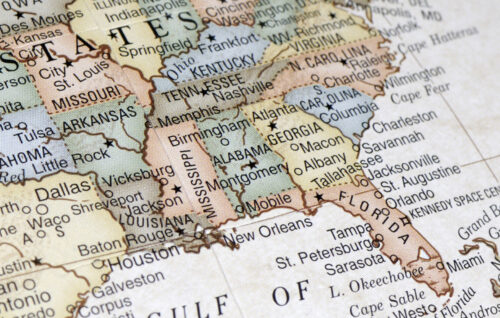
The Electric Furnace Fix: How Replacing Air Conditioners with Heat Pumps Reduces Electric Heating Bills and Winter Peak Demand in the U.S. South
Helping millions of Southern households shift most of their heating from inefficient electric resistance to heat pumps would dramatically lower utility bills and ease strain on the grid.
Energy Efficiency Programs for Large Savings in the Next Decade
Expanded utility-funded energy efficiency programs can significantly slow rising electricity demand and reduce electricity bills; this report explains how.
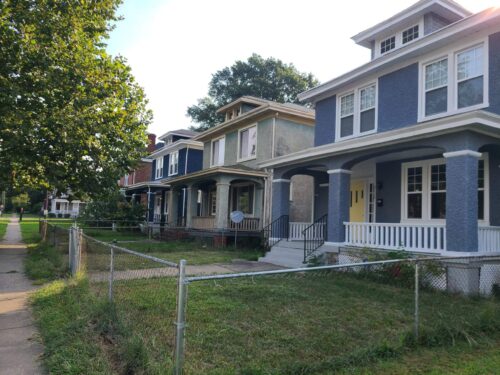
Bridging the Equity Gap for Utility Energy Efficiency Programs
Utility energy efficiency programs have increased investment in low-income households, but significant gaps remain. This report examines spending and savings trends across 48 major U.S. utilities, identifies barriers to expanding low-income programs and highlights policies and program strategies that can improve energy affordability and equitable access to efficiency upgrades.
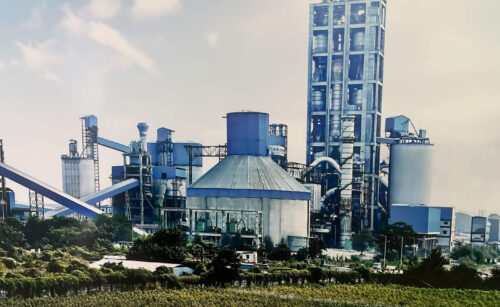
This report identifies pathways for India’s cement industry to decarbonise at a pace compatible with the national climate goal of net-zero emissions by 2070.
Support the Work That Makes Energy Go Further
ACEEE’s independent research and advocacy depend on the support of foundations, businesses, and individuals committed to cutting energy bills, waste, and climate pollution.