Skip to Content
  • Research Report
  • Scorecard
  • Transportation
  • Utilities and the Power Sector
  • Jun 28, 2023

    2023 Transportation Electrification Scorecard

    The ACEEE State Transportation Electrification Scorecard evaluates the progress that states are making to electrify transportation and thus reduce transportation-related carbon emissions.

    electric-car-charging

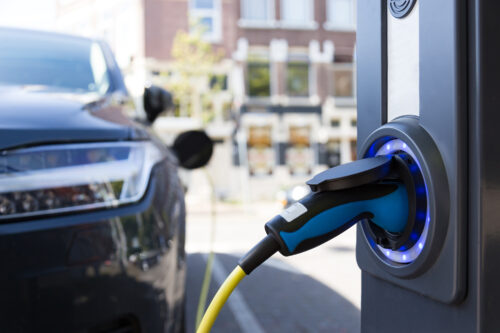
    The ACEEE State Transportation Electrification Scorecard evaluates the progress that states are making to electrify transportation and thus reduce transportation-related carbon emissions. Specifically, the Scorecard ranks states on their policies to scale up deployment of light-duty and heavy-duty electric vehicles (EVs) and on their progress building the necessary charging infrastructure for personal, commercial, fleet, and public-transit EVs. Based on centralized data sources, original research, and input from experts, we scored states across five categories: EV and EV charging infrastructure planning and goal setting, incentives for EV deployment, transportation system efficiency, electricity grid optimization, and transportation electrification outcomes. Top finishers include California; New York; Colorado; Massachusetts; Vermont; Washington State; New Jersey; Washington, DC; Oregon; and Maryland. The Scorecard includes policy recommendations that all states can use to advance transportation electrification.

    Related Resources

    Engaging Communities to Inform Electric Truck Infrastructure Decisions
  • Toolkit
  • Transportation
  • Engaging Communities to Inform Electric Truck Infrastructure Decisions

    This toolkit helps guide local, regional, and state government agencies, freight hubs, charging hub developers, and electric truck fleets in the important work of partnering with communities as they plan for and invest in electric truck charging infrastructure. We interviewed members of six community-focused organizations and representatives from a state agency, a port, and a charging hub developer. Strategies gleaned are grouped into four key steps in the community engagement timeline: preparing for engagement, early contact and planning, communicating and making decisions with the community, and post-project follow-through. The robust community engagement described is critical because it helps maximize the benefits derived from electric truck deployment and supports the communities most impacted by diesel truck pollution. This level of engagement can also build support for projects, mitigate delays due to opposition, and ensure the development of long-lasting solutions by incorporating transparency and investment from the outset.

    Nov 20, 2026

    The Electric Furnace Fix: How Replacing Air Conditioners with Heat Pumps Reduces Electric Heating Bills and Winter Peak Demand in the U.S. South
    Close-up of a desktop globe showing the United States
  • Research Report
  • Homes and Buildings
  • Utilities and the Power Sector
  • The Electric Furnace Fix: How Replacing Air Conditioners with Heat Pumps Reduces Electric Heating Bills and Winter Peak Demand in the U.S. South

    Helping millions of Southern households shift most of their heating from inefficient electric resistance to heat pumps would dramatically lower utility bills and ease strain on the grid.

    Nov 17, 2026

    Advancing Clean Transportation Projects
  • Toolkit
  • Transportation
  • Advancing Clean Transportation Projects

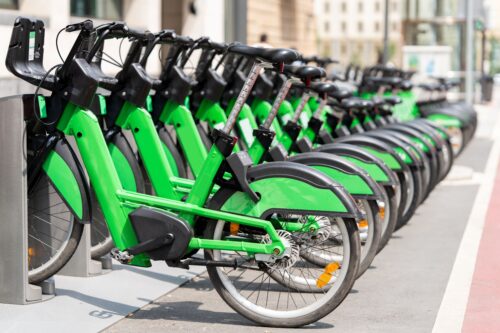
    Explore practical strategies, best practices and case studies for planning and implementing clean transportation projects, including electric vehicles, e-bike programs and charging infrastructure, with a focus on improving mobility, reducing costs and expanding transportation access in underserved communities.

    Oct 22, 2026

    Support the Work That Makes Energy Go Further

    ACEEE’s independent research and advocacy depend on the support of foundations, businesses, and individuals committed to cutting energy bills, waste, and climate pollution.