ACEEE | American Council for an Energy-Efficient Economy
Oct 27, 2025
Energy Upgrade Risk Mitigation
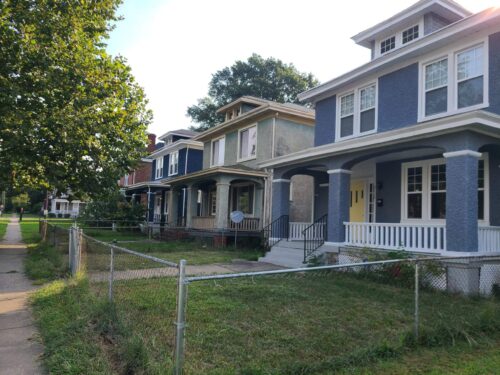
Energy retrofits in affordable housing advance decarbonization, comfort, and health, but protections are sometimes needed to ensure they do not result in rent increases, displacement, or disruption…
Energy retrofits in affordable housing advance decarbonization, comfort, and health, but protections are sometimes needed to ensure they do not result in rent increases, displacement, or disruptions. This resource, intended for local governments, utilities, and energy program administrators, identifies four strategies to mitigate energy upgrade risks: implementing affordability covenants, developing tenant habitability plans, establishing community accountability plans, and minimizing pass-through costs. Each strategy includes definitions, benefits, implementation considerations, and case studies demonstrating practical applications. By integrating these approaches, programs can balance energy and equity goals, ensuring upgrades improve buildings without burdening residents.
Residential Retrofits for Energy Equity (R2E2) provides deep technical assistance to state, local, and tribal governments as well as community-based organizations to jumpstart energy upgrades for single-family and multifamily affordable housing, especially in frontline communities. R2E2 is a partnership of the American Council for Energy-Efficient Economy (ACEEE), Elevate, Emerald Cities Collaborative, and HR&A Advisors. Learn more about the R2E2 initiative and discover more R2E2 resources.
Bridging the Equity Gap for Utility Energy Efficiency Programs
Utility energy efficiency programs have increased investment in low-income households, but significant gaps remain. This report examines spending and savings trends across 48 major U.S. utilities, identifies barriers to expanding low-income programs and highlights policies and program strategies that can improve energy affordability and equitable access to efficiency upgrades.
Efficiency Saves: Cutting Energy Waste Can Save $31,000 per Household
The United States faces interlocking energy challenges: rising home energy bills and gasoline prices; new demand for electricity from data centers and other loads; high greenhouse gas emissions from burning fossil fuels.
Now, a new era of energy efficiency progress in our buildings, transportation, and industry is needed to meet this moment. This wide-ranging study finds a massive opportunity.
Congress Can Cut Freight Costs and Consumer Prices by Addressing Key Issues in the BUILD America 250 Act
The BUILD America 250 Act, advanced by the U.S. House Transportation and Infrastructure Committee, would eliminate or weaken many programs that help lower transportation …
Support the Work That Makes Energy Go Further
ACEEE’s independent research and advocacy depend on the support of foundations, businesses, and individuals committed to cutting energy bills, waste, and climate pollution.