ACEEE | American Council for an Energy-Efficient Economy
Jul 10, 2023
Enabling Strategic Energy Management (SEM) to Support Decarbonization in the U.S.
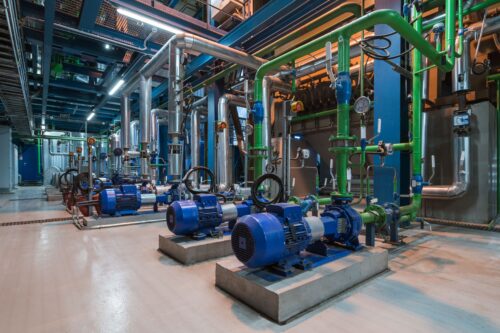
Strategic energy management (SEM) has been an important driver of energy and cost savings for industrial and commercial customers over the past two decades. But SEM programs were ori…
Strategic energy management (SEM) has been an important driver of energy and cost savings for industrial and commercial customers over the past two decades. But SEM programs were originally designed to prioritize “avoided energy consumption,” not to track carbon savings or address a dynamic and variable power grid. To help meet ambitious U.S. decarbonization targets, SEM programs and the regulatory environment that oversees them would benefit from realigning with these additionalconsiderations. SEM programs can expand their scope and help customers adopt emission reduction solutions such as fuel switching, electrification, demand-side management (DSM), on-site renewables, optimal use of batteries, and reductions in supply chain emissions. To achieve these goals, SEM programs need to track and optimize carbon emissions and time-variable energy costs, in addition to absolute energy use.
This paper explores the policy, regulatory, economic, and program design challenges and opportunities that may arise when broadening SEM programs. We propose the following recommendations for the SEM practitioner community, policymakers, and federal and state governments:
Develop policies, standards, and protocols that enable SEM programs to incorporate carbon reductions.
Connect federal money for carbon reduction with existing utility-funded SEM programs.
Create the proper infrastructure to support better tracking, transparency, and sharing of time-variable carbon intensity metrics.
Toward Best Practices for Industrial Innovation: Lessons from the Department of Energy’s Industrial Demonstrations Program
This paper highlights a central lesson for policymakers: Industrial innovation requires alignment across government programs (grants, procurement), financing mechanisms (tax credits, loans), and institutional capacity. When these three are backed by sustained commitment from the public sector, private industry, and external stakeholders, the transition from demonstration to deployment becomes viable.
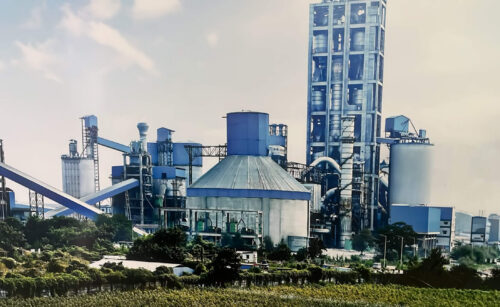
This report identifies pathways for India’s cement industry to decarbonise at a pace compatible with the national climate goal of net-zero emissions by 2070.
Industrial Rate Impacts on Electrification Projects in Illinois and Michigan
New study points to rate structure reforms, supportive programs
Support the Work That Makes Energy Go Further
ACEEE’s independent research and advocacy depend on the support of foundations, businesses, and individuals committed to cutting energy bills, waste, and climate pollution.