ACEEE | American Council for an Energy-Efficient Economy
Dec 2, 2021
The Need for Climate-Forward Efficiency: Early Experience and Principles for Evolution
The purpose of utility energy efficiency programs is evolving as modern policy expectations—such as environmental protection, equity, and economic development—assume new importance in many states. …
The purpose of utility energy efficiency programs is evolving as modern policy expectations—such as environmental protection, equity, and economic development—assume new importance in many states. This report introduces a climate-forward efficiency approach that elevates equitable greenhouse gas (GHG) mitigation and adaptation as drivers to align energy savings with periods of high carbon intensity on the grid; unlock the benefits of electrification; better integrate efficiency with demand flexibility; maintain a reliable, secure, and low-cost electricity system; expand the equity and reach of efficiency programs; and animate local markets. The report highlights a variety of policy and programmatic approaches taken by leading states and utilities, including the adoption of “next-generation” energy efficiency resource standards and metrics, utility business model reforms, modifications to demand-side resources’ eligibility for public funding, changes to cost-effectiveness testing, and new approaches to resource planning and procurement. This report concludes with recommended principles that should guide the selection of GHG metrics for climate-forward efficiency.
Energy Efficiency Programs for Large Savings in the Next Decade
Expanded utility-funded energy efficiency programs can significantly slow rising electricity demand and reduce electricity bills; this report explains how.
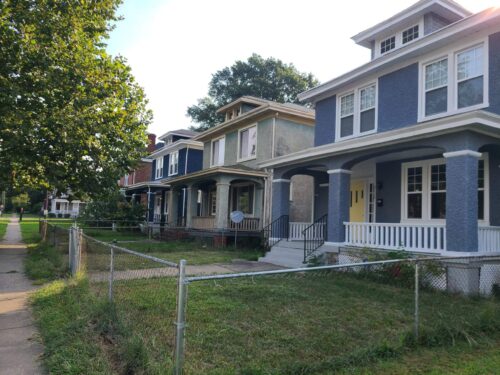
Bridging the Equity Gap for Utility Energy Efficiency Programs
Utility energy efficiency programs have increased investment in low-income households, but significant gaps remain. This report examines spending and savings trends across 48 major U.S. utilities, identifies barriers to expanding low-income programs and highlights policies and program strategies that can improve energy affordability and equitable access to efficiency upgrades.
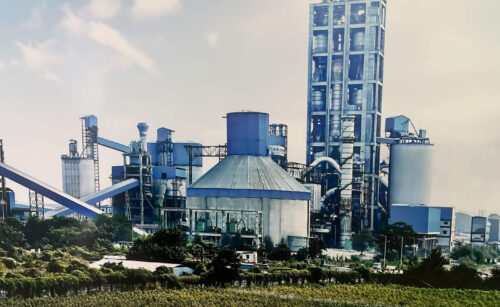
This report identifies pathways for India’s cement industry to decarbonise at a pace compatible with the national climate goal of net-zero emissions by 2070.
Home Energy Reports and Beyond: Meeting the Moment with Behavior-Based Energy Efficiency
Home energy report programs, in which utilities provide households with personalized insights into their energy use and tips to lower their bills, are a…
Support the Work That Makes Energy Go Further
ACEEE’s independent research and advocacy depend on the support of foundations, businesses, and individuals committed to cutting energy bills, waste, and climate pollution.
Specian, Mike, and Rachel Gold. 2021. The Need for Climate-Forward Efficiency: Early Experience and Principles for Evolution. Washington, DC: ACEEE. aceee.org/resource/u2106