ACEEE | American Council for an Energy-Efficient Economy
Oct 20, 2011
The 2011 State Energy Efficiency Scorecard
In the fifth edition of ACEEE’s State Energy Efficiency Scorecard, we present a comprehensive ranking of the states based on an array of metrics that capture best practices and recognize lead…
In the fifth edition of ACEEE’s State Energy Efficiency Scorecard, we present a comprehensive ranking of the states based on an array of metrics that capture best practices and recognize leadership in energy efficiency policy and program implementation. The Scorecard benchmarks progress and provides a roadmap for states to advance energy efficiency in the residential, commercial, industrial, and transportation sectors. A new, diverse set of states has followed a group of leading states by adopting significant energy efficiency policies, which will lead to innovative and effective programs. Nonetheless, tremendous potential remains for energy efficiency savings in all of the states should motivate decision-makers to advance energy efficiency. Cost-effective investment in energy efficiency now will be critical for the success of local, state, and national economies in the future.
Energy Efficiency Programs for Large Savings in the Next Decade
Expanded utility-funded energy efficiency programs can significantly slow rising electricity demand and reduce electricity bills; this report explains how.
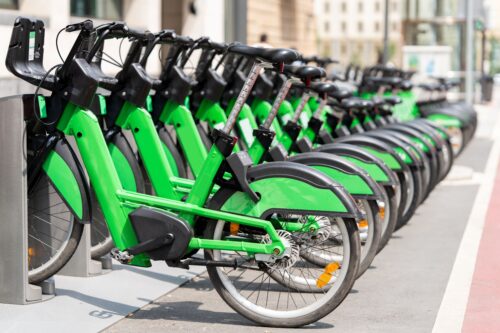
Explore practical strategies, best practices and case studies for planning and implementing clean transportation projects, including electric vehicles, e-bike programs and charging infrastructure, with a focus on improving mobility, reducing costs and expanding transportation access in underserved communities.
Toward Best Practices for Industrial Innovation: Lessons from the Department of Energy’s Industrial Demonstrations Program
This paper highlights a central lesson for policymakers: Industrial innovation requires alignment across government programs (grants, procurement), financing mechanisms (tax credits, loans), and institutional capacity. When these three are backed by sustained commitment from the public sector, private industry, and external stakeholders, the transition from demonstration to deployment becomes viable.
Support the Work That Makes Energy Go Further
ACEEE’s independent research and advocacy depend on the support of foundations, businesses, and individuals committed to cutting energy bills, waste, and climate pollution.