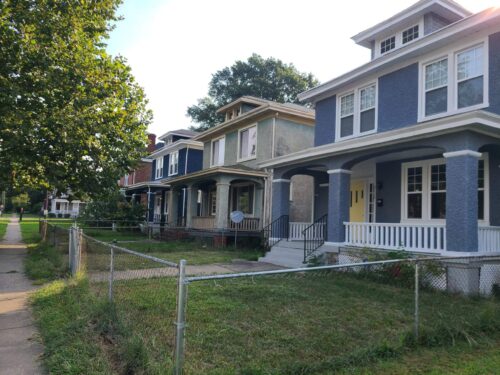
This document is the first in a three-part series by the Pathway to Zero project to provide state and local jurisdictions with pathways to strengthen their residential building energy codes to increase energy savings, reduce water use and air pollution, and improve comfort and health.
This code overlay—representing step one on the path to zero energy and carbon—shows how jurisdictions can update the 2024 International Energy Conservation Code to align new homes with criteria established by the ENERGY STAR program and the Zero Energy Ready Home program. Homes built to these criteria deliver excellent energy savings, comfort, health, and durability.
Relative to the International Energy Conservation Code, this code overlay aligns building insulation, air sealing, and equipment efficiency with ENERGY STAR and other advanced new home specifications. It adds water efficiency, quality control, and indoor air quality protection, and it includes requirements to make new homes ready for future installation of solar panels, electric vehicle chargers, and heat pumps.
Bridging the Equity Gap for Utility Energy Efficiency Programs
Utility energy efficiency programs have increased investment in low-income households, but significant gaps remain. This report examines spending and savings trends across 48 major U.S. utilities, identifies barriers to expanding low-income programs and highlights policies and program strategies that can improve energy affordability and equitable access to efficiency upgrades.
Efficiency Saves: Cutting Energy Waste Can Save $31,000 per Household
The United States faces interlocking energy challenges: rising home energy bills and gasoline prices; new demand for electricity from data centers and other loads; high greenhouse gas emissions from burning fossil fuels.
Now, a new era of energy efficiency progress in our buildings, transportation, and industry is needed to meet this moment. This wide-ranging study finds a massive opportunity.
Congress Can Cut Freight Costs and Consumer Prices by Addressing Key Issues in the BUILD America 250 Act
The BUILD America 250 Act, advanced by the U.S. House Transportation and Infrastructure Committee, would eliminate or weaken many programs that help lower transportation …
Support the Work That Makes Energy Go Further
ACEEE’s independent research and advocacy depend on the support of foundations, businesses, and individuals committed to cutting energy bills, waste, and climate pollution.