Skip to Content

The United States Can Electrify Most Fossil Fuel Use: Here Is What Needs to Happen to Make This Possible

New brief spells out the steps needed to electrify most fossil fuel use across multiple sectors

The United States can electrify about 90% of its current energy use. In this brief, we spell out steps that are being taken to get there in the transportation, buildings, industrial, and power sectors. We outline what more is needed to build on existing technologies and momentum, and how we can decarbonize the remaining 10% of fossil fuel use. Applications and markets are complex and thus the path to efficient electrification is also complex, in some cases requiring specific pathways to ensure that electrification reduces costs. This brief analyzes some of these complexities to identify the steps we must take to largely decarbonize our economy.

Related Resources

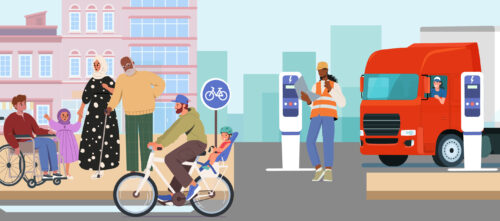
Engaging Communities to Inform Electric Truck Infrastructure Decisions
  • Toolkit
  • Transportation
  • Engaging Communities to Inform Electric Truck Infrastructure Decisions

    This toolkit helps guide local, regional, and state government agencies, freight hubs, charging hub developers, and electric truck fleets in the important work of partnering with communities as they plan for and invest in electric truck charging infrastructure. We interviewed members of six community-focused organizations and representatives from a state agency, a port, and a charging hub developer. Strategies gleaned are grouped into four key steps in the community engagement timeline: preparing for engagement, early contact and planning, communicating and making decisions with the community, and post-project follow-through. The robust community engagement described is critical because it helps maximize the benefits derived from electric truck deployment and supports the communities most impacted by diesel truck pollution. This level of engagement can also build support for projects, mitigate delays due to opposition, and ensure the development of long-lasting solutions by incorporating transparency and investment from the outset.

    Nov 20, 2026

    The Electric Furnace Fix: How Replacing Air Conditioners with Heat Pumps Reduces Electric Heating Bills and Winter Peak Demand in the U.S. South
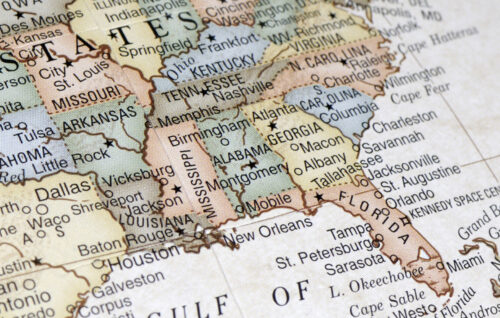
    Close-up of a desktop globe showing the United States
  • Research Report
  • Homes and Buildings
  • Utilities and the Power Sector
  • The Electric Furnace Fix: How Replacing Air Conditioners with Heat Pumps Reduces Electric Heating Bills and Winter Peak Demand in the U.S. South

    Helping millions of Southern households shift most of their heating from inefficient electric resistance to heat pumps would dramatically lower utility bills and ease strain on the grid.

    Nov 17, 2026

    Near-Term Pathways to Reduce Emissions from Ethane Crackers
    Aerial view of an ethylene cracker plant
  • Research Report
  • White Paper
  • Industry and Manufacturing
  • Near-Term Pathways to Reduce Emissions from Ethane Crackers

    Informed by interviews with over 40 experts across ethylene operators, engineering companies, national labs, benchmarking firms, and more, this paper conveys key aspects about what is actionable, where improvements are needed, and the paths that should be pursued to advance technologies that will meet evolving customer demands, address competition, and significantly lower the environmental impact of ethylene production. 

    Nov 10, 2026

    Support the Work That Makes Energy Go Further

    ACEEE’s independent research and advocacy depend on the support of foundations, businesses, and individuals committed to cutting energy bills, waste, and climate pollution.