Skip to Content

Utility Transportation Electrification Planning – Emerging Practices to Support EV Deployment

Millions of electric vehicles (EVs) are expected to hit the road over the next decade, a transformation that will require extensive planning and billions of dollars of investment by electric utilit…

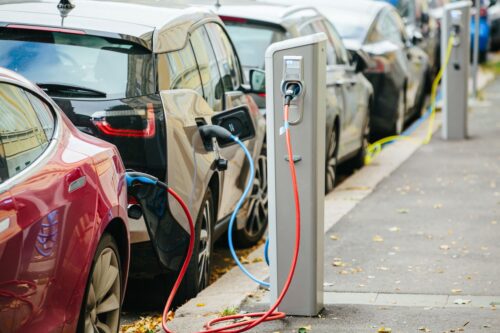
Millions of electric vehicles (EVs) are expected to hit the road over the next decade, a transformation that will require extensive planning and billions of dollars of investment by electric utilities. Some states are requiring utilities to submit comprehensive plans detailing preparations for and impacts of the EV transition. We reviewed the plans of 11 utilities from around the country and assessed them on the following criteria: coverage of vehicle types and overall program scope; rates and managed charging; incentives; equity; education and marketing; metrics and progress reporting; and system planning.

We found a number of emerging trends, including a greater focus on make-ready investments and level-2 infrastructure than on other types of investments. Several utilities are planning time-of-use rates. There are plans for education programs and fleet advisory services (where fleet operators looking to electrify get technical assistance) as well as a focus on equity. We recommend that planning processes (1) be transparent and consistent to allow for stakeholder feedback, (2) focus on a wide range of transportation use cases, and (3) incorporate equity.

Related Resources

Engaging Communities to Inform Electric Truck Infrastructure Decisions
  • Toolkit
  • Transportation
  • Engaging Communities to Inform Electric Truck Infrastructure Decisions

    This toolkit helps guide local, regional, and state government agencies, freight hubs, charging hub developers, and electric truck fleets in the important work of partnering with communities as they plan for and invest in electric truck charging infrastructure. We interviewed members of six community-focused organizations and representatives from a state agency, a port, and a charging hub developer. Strategies gleaned are grouped into four key steps in the community engagement timeline: preparing for engagement, early contact and planning, communicating and making decisions with the community, and post-project follow-through. The robust community engagement described is critical because it helps maximize the benefits derived from electric truck deployment and supports the communities most impacted by diesel truck pollution. This level of engagement can also build support for projects, mitigate delays due to opposition, and ensure the development of long-lasting solutions by incorporating transparency and investment from the outset.


    Nov 20, 2026

    The Electric Furnace Fix: How Replacing Air Conditioners with Heat Pumps Reduces Electric Heating Bills and Winter Peak Demand in the U.S. South
    Close-up of a desktop globe showing the United States
  • Research Report
  • Homes and Buildings
  • Utilities and the Power Sector
  • The Electric Furnace Fix: How Replacing Air Conditioners with Heat Pumps Reduces Electric Heating Bills and Winter Peak Demand in the U.S. South

    Helping millions of Southern households shift most of their heating from inefficient electric resistance to heat pumps would dramatically lower utility bills and ease strain on the grid.

    Nov 17, 2026

    Advancing Clean Transportation Projects
  • Toolkit
  • Transportation
  • Advancing Clean Transportation Projects

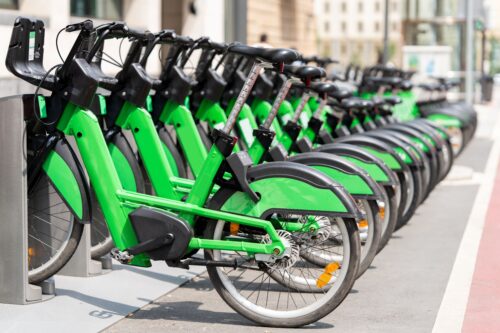
    Explore practical strategies, best practices and case studies for planning and implementing clean transportation projects, including electric vehicles, e-bike programs and charging infrastructure, with a focus on improving mobility, reducing costs and expanding transportation access in underserved communities.

    Oct 22, 2026

    Support the Work That Makes Energy Go Further

    ACEEE’s independent research and advocacy depend on the support of foundations, businesses, and individuals committed to cutting energy bills, waste, and climate pollution.