ACEEE | American Council for an Energy-Efficient Economy
Oct 21, 2021
Fostering Equity Through Community-Led Clean Energy Strategies
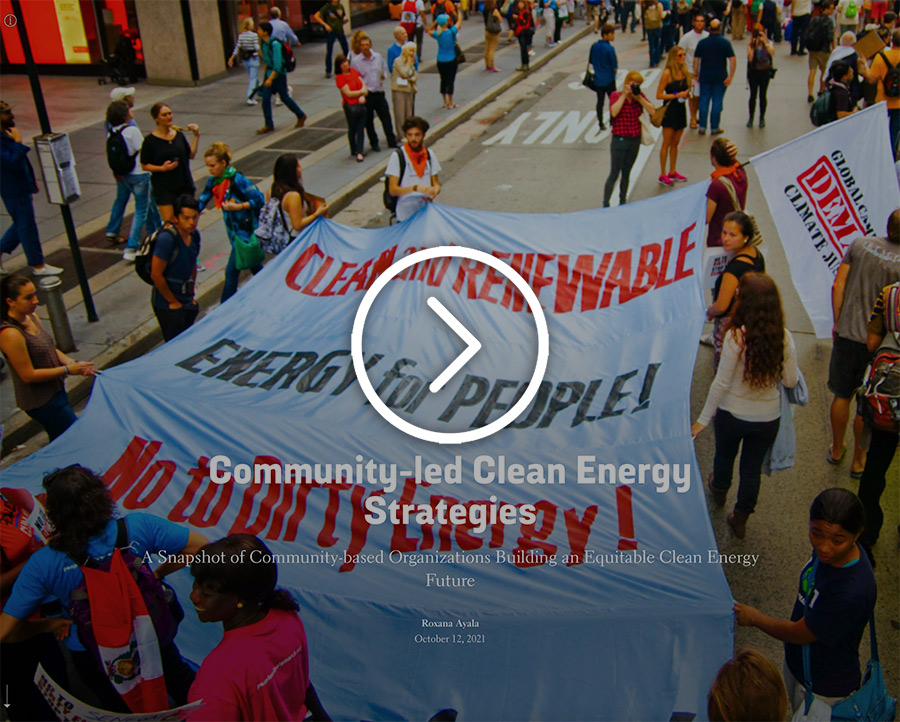
This report examines six strategies that community-based organizations are using to build equitable clean energy policies, programs, and investments in local communities. Through six case studies, …
This report examines six strategies that community-based organizations are using to build equitable clean energy policies, programs, and investments in local communities. Through six case studies, we show how these strategies are well suited to address inequities in the clean energy sector. The report also discusses the importance of collaboration between local governments and community-based organizations in furthering equitable and just clean energy policies and initiatives. We conclude by identifying actions local governments can take to collaborate with, fund, and support community-led efforts to advance equitable clean energy outcomes.
Toward Best Practices for Industrial Innovation: Lessons from the Department of Energy’s Industrial Demonstrations Program
This paper highlights a central lesson for policymakers: Industrial innovation requires alignment across government programs (grants, procurement), financing mechanisms (tax credits, loans), and institutional capacity. When these three are backed by sustained commitment from the public sector, private industry, and external stakeholders, the transition from demonstration to deployment becomes viable.
Bridging the Equity Gap for Utility Energy Efficiency Programs
Utility energy efficiency programs have increased investment in low-income households, but significant gaps remain. This report examines spending and savings trends across 48 major U.S. utilities, identifies barriers to expanding low-income programs and highlights policies and program strategies that can improve energy affordability and equitable access to efficiency upgrades.
This report identifies pathways for India’s cement industry to decarbonise at a pace compatible with the national climate goal of net-zero emissions by 2070.
Support the Work That Makes Energy Go Further
ACEEE’s independent research and advocacy depend on the support of foundations, businesses, and individuals committed to cutting energy bills, waste, and climate pollution.