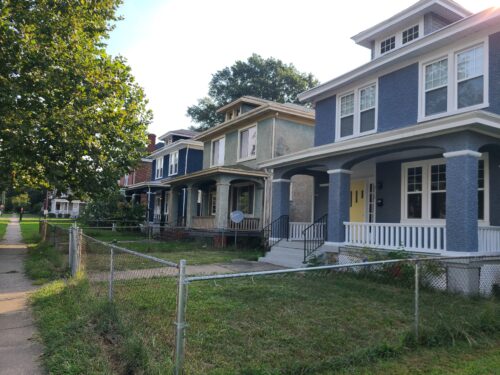
Households that spend more than 6% of their income on energy bills are considered energy burdened, and may struggle to pay energy bills. Households with high energy burdens are more likely to also experience adverse health impacts and other forms of economic stress. In the United States, low-income households carry energy burdens roughly three times higher than households with higher incomes. Increasing energy efficiency of these homes can help reduce energy bills and energy burdens. And while utility investment in efficiency programs specifically targeted to meet the needs of these households has increased over the last decade, utilities are still under-investing in these critical programs, leaving an equity gap to fill.
Join us to learn about new research benchmarking this equity gap in utility investments into the energy efficiency of low-income households. We will share key findings including a suite of exemplary policies, programs, and practices that can help to close these equity gaps. Attendees will also hear from speakers who will provide perspectives on how utility efficiency programs need to evolve to meet the needs of income-qualified households. Together, we will explore program designs that deliver energy savings and reduce energy burdens as well as policy strategies that help make these programs more equitable and successful.
Speakers
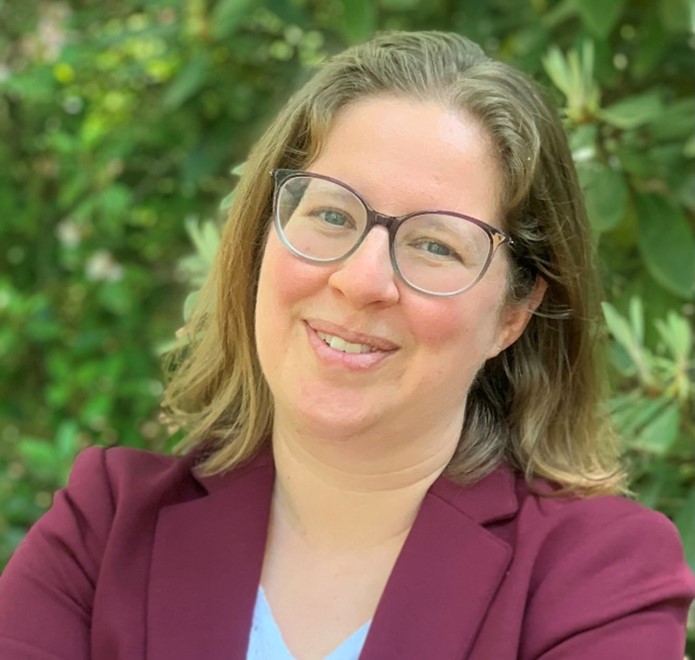
Anna Johnson, Senior Manager, State & Utility Policy Program, American Council for an Energy-Efficient Economy (ACEEE)
Anna works across ACEEE teams to develop and manage state policy strategies that reduce energy waste and achieve climate goals, while leading research on equitable rate design and utility policy. She has also led research projects in the industrial sector, focusing on rate design, industrial electrification, and industrial efficiency. She joined ACEEE in 2022. Prior to ACEEE, Anna worked at the Western Pennsylvania Conservancy as a conservation planner. Anna earned a PhD in geography and environmental systems from University of Maryland, Baltimore County.
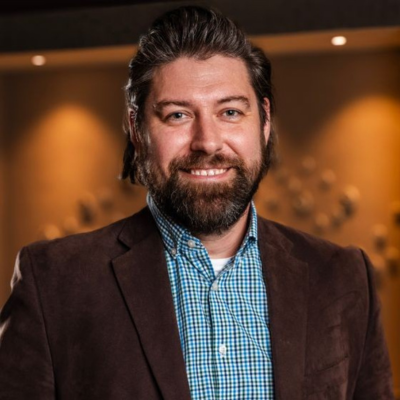
Casey Fields, Rates & Regulatory Strategy Director, Duke Energy
Casey is Duke Energy’s regulatory lead for customer programs in the Carolinas. He partners closely with program managers, development, and analytics teams, as well as state regulators and stakeholders to ensure that residential and nonresidential efficiency programs are helping customers save energy and money.
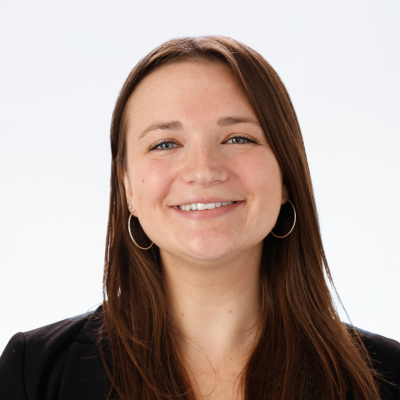
Kari Ross, Midwest Energy Affordability Advocate, Natural Resource Defense Council (NRDC)
Kari advocates for the alleviation of household energy burdens in underserved communities in the Midwest through the advancement of energy efficiency, clean energy, utility affordability, and procedural justice policies at the local and state levels. She collaborates closely with coalitions at the intersection of affordable housing, energy, health, environmental justice, racial justice, and renter rights in Illinois and Michigan. Prior to her current role, Ross was an associate on the City Strategy & Engagement team for the American Cities Climate Challenge, a near four-year long project to support the 25 most ambitious U.S. cities in deepening and accelerating their climate mitigation and adaptation goals. Before joining NRDC, she worked as an organizer on numerous electoral and environmental campaigns with Sierra Club and Environment Texas. Ross holds bachelor’s degrees in political science and international studies with concentrations in environmental policy from the University of Illinois at Urbana-Champaign.
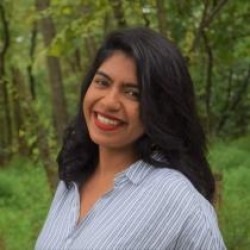
Moderator: Roxana Ayala, Senior Research Analyst, Local Policy, American Council for an Energy-Efficient Economy (ACEEE)
Roxana assists the local policy program with research and technical assistance related to city-led clean energy policy. She contributes significantly to ACEEE’s research on inclusive workforce development, energy affordability, and energy equity. Prior to joining ACEEE in 2019, Roxana worked with the United States Forest Service as a conservation educator fellow. Before that, she interned with the Natural Capital Project at the University of Minnesota. Roxana holds a BA in environmental science and urban studies from the University of California, Irvine.
By registering for this event, you are opting to receive future email communication from ACEEE. You may unsubscribe via the link included in all emails.

Support the Work That Makes Energy Go Further
ACEEE’s independent research and advocacy depend on the support of foundations, businesses, and individuals committed to cutting energy bills, waste, and climate pollution.