ACEEE | American Council for an Energy-Efficient Economy
Feb 6, 2020
Measuring Three Rs of Electric Energy Efficiency: Risk, Reliability, and Resilience
Two trends are creating new challenges for grid operators: increasingly frequent catastrophic weather events that cause power outages and the growing prevalence of variable distributed energy resou…
Two trends are creating new challenges for grid operators: increasingly frequent catastrophic weather events that cause power outages and the growing prevalence of variable distributed energy resources (DERs) like residential solar photovoltaic systems. These trends add to the risk inherent in grid operations and finances, affect the reliability of the system, and test its resilience or ability to recover from outages. Energy efficiency programs address these three Rs in a variety of ways, and utilities can find it challenging to take them into account in their cost-effectivenesss tests. Drawing on several state case studies, this brief presents lessons and replicable practices for stakeholders looking to quantify risk, reliability, and resilience, the three Rs that are critical to grid performance.
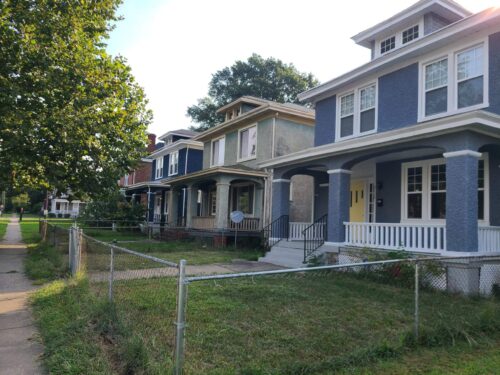
Bridging the Equity Gap for Utility Energy Efficiency Programs
Utility energy efficiency programs have increased investment in low-income households, but significant gaps remain. This report examines spending and savings trends across 48 major U.S. utilities, identifies barriers to expanding low-income programs and highlights policies and program strategies that can improve energy affordability and equitable access to efficiency upgrades.
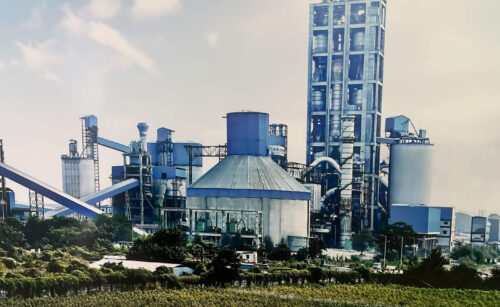
This report identifies pathways for India’s cement industry to decarbonise at a pace compatible with the national climate goal of net-zero emissions by 2070.
Home Energy Reports and Beyond: Meeting the Moment with Behavior-Based Energy Efficiency
Home energy report programs, in which utilities provide households with personalized insights into their energy use and tips to lower their bills, are a…
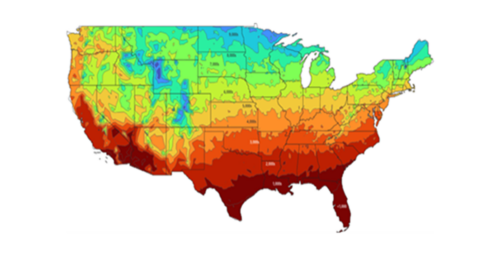
Strategies for Enhancing Resilience and Minimizing Vulnerabilities to Extreme Heat Events
Extreme heat is one of the fastest-growing climate-related hazards in the United States, increasing mortality, straining buildings and energy systems, and amplifying risks for households with limit…
Support the Work That Makes Energy Go Further
ACEEE’s independent research and advocacy depend on the support of foundations, businesses, and individuals committed to cutting energy bills, waste, and climate pollution.