Skip to Content

Funding Options for Low-Carbon Transportation

Federal and state funding could be reoriented to support efficient forms of transportation.

The federal gas tax is a major source of transportation funding in the United States. Due to improvements in fuel economy and rising construction costs for transportation infrastructure, the purchasing power of this tax has decreased over time. Additionally, as the United States transitions to hybrid and electric vehicles, the gas tax will not be a feasible long-term funding source. Given bold targets for GHG emission reductions and the large share of emissions that come from the transportation sector, we must ensure adequate funding for investment in low-carbon transportation. This topic brief outlines the current system of federal transportation funding, the imminent insolvency of the Highway Trust Fund, and alternative and supplemental funding mechanisms. We explore the funding options cities and states have enacted—from congestion pricing to cap-and-trade programs—and present policymakers with options for re-orienting funding streams to support efficient forms of transportation.


Related Resources

Engaging Communities to Inform Electric Truck Infrastructure Decisions
  • Toolkit
  • Transportation
  • Engaging Communities to Inform Electric Truck Infrastructure Decisions

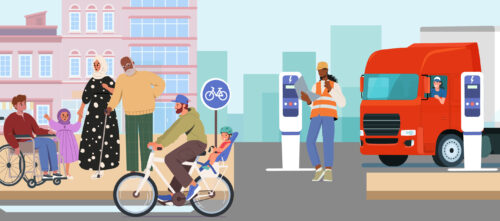
    This toolkit helps guide local, regional, and state government agencies, freight hubs, charging hub developers, and electric truck fleets in the important work of partnering with communities as they plan for and invest in electric truck charging infrastructure. We interviewed members of six community-focused organizations and representatives from a state agency, a port, and a charging hub developer. Strategies gleaned are grouped into four key steps in the community engagement timeline: preparing for engagement, early contact and planning, communicating and making decisions with the community, and post-project follow-through. The robust community engagement described is critical because it helps maximize the benefits derived from electric truck deployment and supports the communities most impacted by diesel truck pollution. This level of engagement can also build support for projects, mitigate delays due to opposition, and ensure the development of long-lasting solutions by incorporating transparency and investment from the outset.
    Nov 20, 2026

    Advancing Clean Transportation Projects
  • Toolkit
  • Transportation
  • Advancing Clean Transportation Projects

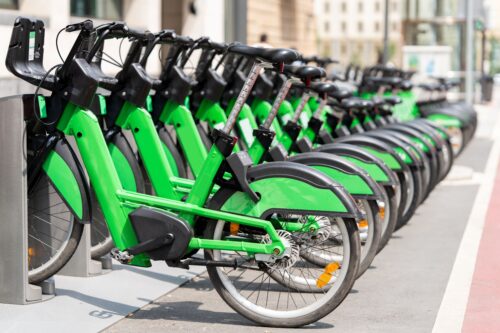
    Explore practical strategies, best practices and case studies for planning and implementing clean transportation projects, including electric vehicles, e-bike programs and charging infrastructure, with a focus on improving mobility, reducing costs and expanding transportation access in underserved communities.

    Oct 22, 2026

    Bridging the Equity Gap for Utility Energy Efficiency Programs
    equity
  • Research Report
  • Affordability and Energy Equity
  • Energy Efficiency Policy
  • Homes and Buildings
  • Utilities and the Power Sector
  • Bridging the Equity Gap for Utility Energy Efficiency Programs

    Utility energy efficiency programs have increased investment in low-income households, but significant gaps remain. This report examines spending and savings trends across 48 major U.S. utilities, identifies barriers to expanding low-income programs and highlights policies and program strategies that can improve energy affordability and equitable access to efficiency upgrades.

    Jul 31, 2026

    Efficiency Saves: Cutting Energy Waste Can Save $31,000 per Household
    An Indian couple sitting on a couch looking at energy bills.
  • Research Report
  • Energy Efficiency Policy
  • Homes and Buildings
  • Efficiency Saves: Cutting Energy Waste Can Save $31,000 per Household

    The United States faces interlocking energy challenges: rising home energy bills and gasoline prices; new demand for electricity from data centers and other loads; high greenhouse gas emissions from burning fossil fuels. 

    Now, a new era of energy efficiency progress in our buildings, transportation, and industry is needed to meet this moment. This wide-ranging study finds a massive opportunity.

    Jul 27, 2026

    Support the Work That Makes Energy Go Further

    ACEEE’s independent research and advocacy depend on the support of foundations, businesses, and individuals committed to cutting energy bills, waste, and climate pollution.