ACEEE | American Council for an Energy-Efficient Economy
Apr 2, 2020
Taking Stock: Links between Local Policy and Building Energy Use across the United States
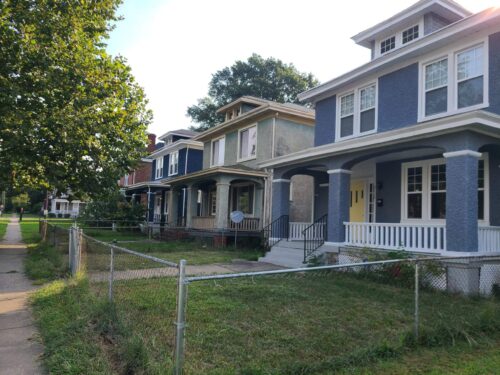
Local governments in the United States are increasingly making commitments to reduce their greenhouse gas emissions, often through initiatives designed to reduce building energy use. This report an…
Local governments in the United States are increasingly making commitments to reduce their greenhouse gas emissions, often through initiatives designed to reduce building energy use. This report analyzes the relationship between per capita building electricity and natural gas consumption and multiple local factors, several of which are within the control of local governments. We conclude that per capita electricity and natural gas consumption declined in US municipalities between 2013 and 2016, and factors influenced by local government policies and programs were related to these shifts. Our findings reveal opportunities for local governments to develop initiatives that reduce per capita building energy use and greenhouse gas emissions in ways that will benefit both current and future residents. Future evaluations of local government policies and programs can be strengthened by collecting annual comparable data on the implementation and outcomes of these initiatives.
Bridging the Equity Gap for Utility Energy Efficiency Programs
Utility energy efficiency programs have increased investment in low-income households, but significant gaps remain. This report examines spending and savings trends across 48 major U.S. utilities, identifies barriers to expanding low-income programs and highlights policies and program strategies that can improve energy affordability and equitable access to efficiency upgrades.
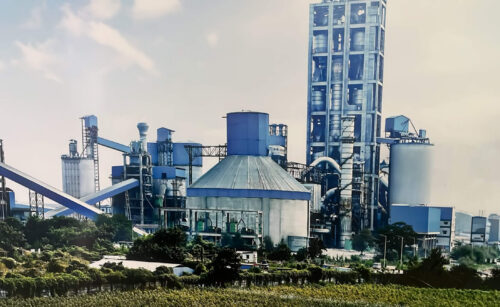
This report identifies pathways for India’s cement industry to decarbonise at a pace compatible with the national climate goal of net-zero emissions by 2070.
Efficiency Saves: Cutting Energy Waste Can Save $31,000 per Household
The United States faces interlocking energy challenges: rising home energy bills and gasoline prices; new demand for electricity from data centers and other loads; high greenhouse gas emissions from burning fossil fuels.
Now, a new era of energy efficiency progress in our buildings, transportation, and industry is needed to meet this moment. This wide-ranging study finds a massive opportunity.
Support the Work That Makes Energy Go Further
ACEEE’s independent research and advocacy depend on the support of foundations, businesses, and individuals committed to cutting energy bills, waste, and climate pollution.