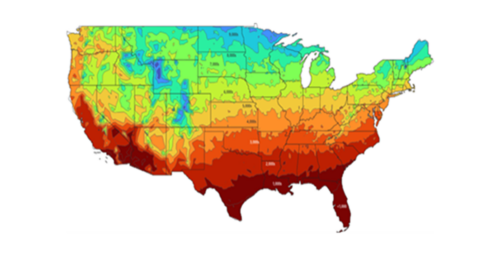
Extreme heat is one of the fastest-growing climate-related hazards in the United States, increasing mortality, straining buildings and energy systems, and amplifying risks for households with limited access to safe indoor conditions. This topic brief examines strategies to strengthen resilience to extreme heat through interventions that reduce heat exposure, improve access to efficient cooling, strengthen building performance and grid reliability during power outages, and reduce risks for vulnerable populations. It outlines three complementary pathways—utility-driven investments, locally-led initiatives, and hybrid utility-community partnerships—that enable coordinated, proactive resilience planning and implementation.
The brief highlights how coordinated investments in energy efficiency, access to cooling, community-based power and flexible demand, and emergency preparedness can reduce peak demand, maintain habitable indoor conditions, and protect vulnerable residents. Drawing on literature reviews, utility climate assessments, expert interviews, and program and policy examples, the brief provides a framework for policymakers, utilities, and community partners to align investments, clarify roles, and scale high-impact interventions that reduce vulnerability and strengthen resilience to extreme heat.