ACEEE | American Council for an Energy-Efficient Economy
Jun 18, 2024
The Industrial Heat Pump Opportunity Goes Beyond Energy Savings
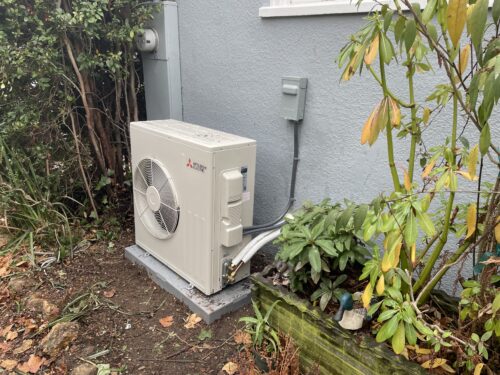
Industrial heat pumps (IHPs) have well known energy and decarbonization benefits. Less well known are their co-benefits, including more precise heat control, modularity, reduced operational and ins…
Industrial heat pumps (IHPs) have well known energy and decarbonization benefits. Less well known are their co-benefits, including more precise heat control, modularity, reduced operational and insurance costs, and improved workplace health and safety. In addition to net energy cost savings, IHP co-benefits can translate to additional savings as high as 20 to 30 percent of facility-level energy costs.
IHPs also benefit neighboring communities and the general economy with improved air quality, reduced environmental risks, and opportunities for workforce and economic development.
All these co-benefits should be quantified to better evaluate the costs and benefits of IHPs. This topic brief summarizes the co-benefits of IHPs, the groups to which the benefits accrue, and pathways by which the industrial sector can overcome barriers to greater quantification of IHP co-benefits.
Toward Best Practices for Industrial Innovation: Lessons from the Department of Energy’s Industrial Demonstrations Program
This paper highlights a central lesson for policymakers: Industrial innovation requires alignment across government programs (grants, procurement), financing mechanisms (tax credits, loans), and institutional capacity. When these three are backed by sustained commitment from the public sector, private industry, and external stakeholders, the transition from demonstration to deployment becomes viable.
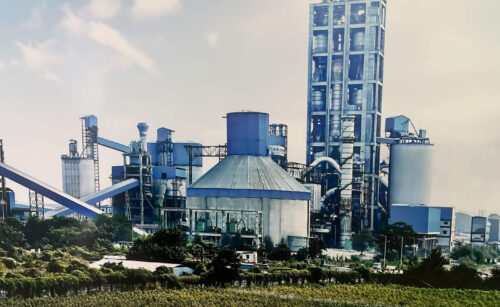
This report identifies pathways for India’s cement industry to decarbonise at a pace compatible with the national climate goal of net-zero emissions by 2070.
Industrial Capital Investment Decisions: Pathways to Energy Program Engagement
New research explores how firms make energy investment decisions
Support the Work That Makes Energy Go Further
ACEEE’s independent research and advocacy depend on the support of foundations, businesses, and individuals committed to cutting energy bills, waste, and climate pollution.