ACEEE | American Council for an Energy-Efficient Economy
Jan 6, 2015
Multiple Benefits of Business-Sector Energy Efficiency: A Survey of Existing and Potential Measures
Businesses that implement energy efficiency improvements often enjoy other benefits besides utility bill savings. However previous efforts to measure multiple benefits have been sporadic and far fr…
Multiple Benefits of Business-Sector Energy Efficiency: A Survey of Existing and Potential Measures
Complete the form to access this resource.
Businesses that implement energy efficiency improvements often enjoy other benefits besides utility bill savings. However previous efforts to measure multiple benefits have been sporadic and far from rigorous. Still, evidence suggests that including non-energy impacts can reduce the payback time of some energy efficiency improvements by 50% or better. This report draws on expert interviews and a synthesis of existing literature to describe energy efficiency’s multiple benefits to business enterprises. Including non-energy benefits can strengthen the case for business investment in energy efficiency and also contribute to the cost-benefit screening of regional energy efficiency programs.
Toward Best Practices for Industrial Innovation: Lessons from the Department of Energy’s Industrial Demonstrations Program
This paper highlights a central lesson for policymakers: Industrial innovation requires alignment across government programs (grants, procurement), financing mechanisms (tax credits, loans), and institutional capacity. When these three are backed by sustained commitment from the public sector, private industry, and external stakeholders, the transition from demonstration to deployment becomes viable.
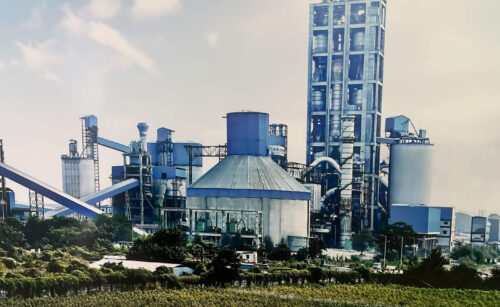
This report identifies pathways for India’s cement industry to decarbonise at a pace compatible with the national climate goal of net-zero emissions by 2070.
Industrial Capital Investment Decisions: Pathways to Energy Program Engagement
New research explores how firms make energy investment decisions
Support the Work That Makes Energy Go Further
ACEEE’s independent research and advocacy depend on the support of foundations, businesses, and individuals committed to cutting energy bills, waste, and climate pollution.