
Skip to Content

Combined Energy Burdens: Estimating Total Home and Transportation Energy Burdens

Using data from the Bureau of Labor Statistics’ Consumer Expenditure Survey, this report presents findings from an analysis of combined energy burdens, which includes expenditures on both home and …

Aerial view of a residential city street in Pittsburgh, with densely packed single family homes and cars parked in driveways and on the street.

Key Findings

  • Combined energy burdens include both home energy and transportation fuel costs as a share of income in order to provide a holistic picture of household energy expenditure.  
     

  • In 2022, U.S. households spent on average 5.6% of their income on energy, with transportation fuel making up over half of this spending.
     

  • Low-income households spent on average 17.8% of their income on energy alone, almost four times the national average.  
     

  • Roughly one in four households experienced high combined energy burdens (spent more than 12% of their income just on energy) and a staggering three in four low-income households experienced high combined burdens.  

  • Rural households had an average combined burden nearly 50% higher than urban households. 

  • Black households spent on average 6% of their income on energy, roughly 10% above the national average. 

  • Hispanic households spent on average 7.9% of their income on energy, roughly 42% above the national average. 

  • The increasing adoption of electric vehicles will cause home electric energy burdens to increase while decreasing transportation fuel burdens, making the tracking of combined energy burdens more important. 

Using data from the Bureau of Labor Statistics’ Consumer Expenditure Survey, this report presents findings from an analysis of combined energy burdens, which includes expenditures on both home and transportation energy as a share of income. Energy costs are not experienced in isolation: measuring combined energy burdens provides a more comprehensive understanding of a household’s true overall energy burden. As families switch to electric vehicles, or take on longer commutes in order to access more affordable housing, evaluating combined energy burdens will be essential to tracking the overall energy affordability for U.S. households. This analysis is the first of its kind to rely on a single survey to estimate combined energy burdens.

Related Resources

Engaging Communities to Inform Electric Truck Infrastructure Decisions
  • Toolkit
  • Transportation
  • Engaging Communities to Inform Electric Truck Infrastructure Decisions

    This toolkit helps guide local, regional, and state government agencies, freight hubs, charging hub developers, and electric truck fleets in the important work of partnering with communities as they plan for and invest in electric truck charging infrastructure. We interviewed members of six community-focused organizations and representatives from a state agency, a port, and a charging hub developer. Strategies gleaned are grouped into four key steps in the community engagement timeline: preparing for engagement, early contact and planning, communicating and making decisions with the community, and post-project follow-through. The robust community engagement described is critical because it helps maximize the benefits derived from electric truck deployment and supports the communities most impacted by diesel truck pollution. This level of engagement can also build support for projects, mitigate delays due to opposition, and ensure the development of long-lasting solutions by incorporating transparency and investment from the outset.

    Nov 20, 2026

    The Electric Furnace Fix: How Replacing Air Conditioners with Heat Pumps Reduces Electric Heating Bills and Winter Peak Demand in the U.S. South
    Close-up of a desktop globe showing the United States
  • Research Report
  • Homes and Buildings
  • Utilities and the Power Sector
  • The Electric Furnace Fix: How Replacing Air Conditioners with Heat Pumps Reduces Electric Heating Bills and Winter Peak Demand in the U.S. South

    Helping millions of Southern households shift most of their heating from inefficient electric resistance to heat pumps would dramatically lower utility bills and ease strain on the grid.

    Nov 17, 2026

    Advancing Clean Transportation Projects
  • Toolkit
  • Transportation
  • Advancing Clean Transportation Projects

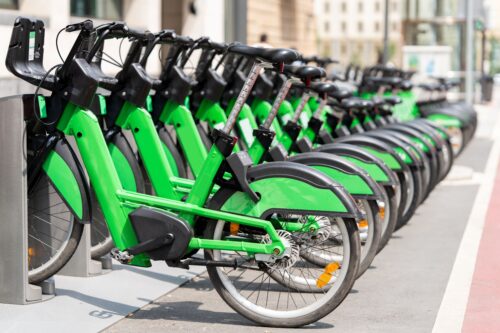
    Explore practical strategies, best practices and case studies for planning and implementing clean transportation projects, including electric vehicles, e-bike programs and charging infrastructure, with a focus on improving mobility, reducing costs and expanding transportation access in underserved communities.

    Oct 22, 2026

    Support the Work That Makes Energy Go Further

    ACEEE’s independent research and advocacy depend on the support of foundations, businesses, and individuals committed to cutting energy bills, waste, and climate pollution.