ACEEE | American Council for an Energy-Efficient Economy
Dec 4, 2023
Financial and Systemic Barriers and Solutions to Scaling Energy Retrofits in Commercial Buildings
Retrofitting commercial buildings lags far behind what is needed to reach climate targets, despite the demonstrated high paybacks and the plethora of financing solutions. A structural analysis of t…
Retrofitting commercial buildings lags far behind what is needed to reach climate targets, despite the demonstrated high paybacks and the plethora of financing solutions. A structural analysis of the commercial real estate industry reveals that the barriers to efficiency are not simply costs but also the divided interests of the many companies involved in the industry, the internal politics of these companies, and the short-term profit-seeking nature of the many investors involved in a single building over time. We detail the financial mechanisms that have been developed thus far to enable the scaling of retrofits, and how these solutions have fallen short of accomplishing market transformation. We then prescribe methods to encourage the adoption of retrofits in commercial buildings. These consist of strategic partnerships, methods of information sharing, and policies aimed at uniting the disparate incentives of market actors.
Bridging the Equity Gap for Utility Energy Efficiency Programs
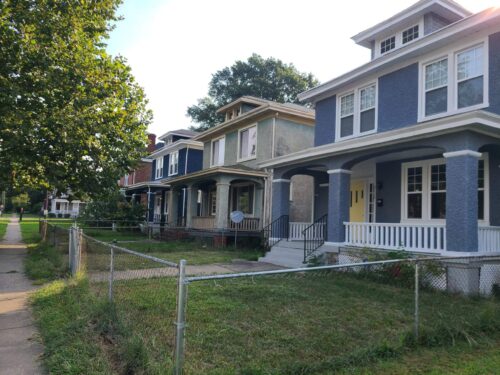
Utility energy efficiency programs have increased investment in low-income households, but significant gaps remain. This report examines spending and savings trends across 48 major U.S. utilities, identifies barriers to expanding low-income programs and highlights policies and program strategies that can improve energy affordability and equitable access to efficiency upgrades.
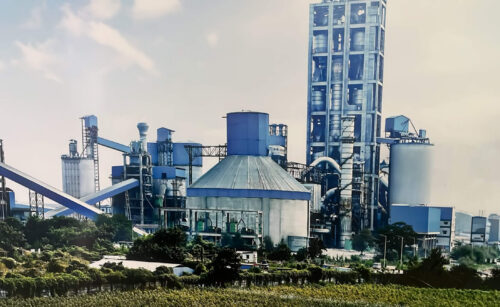
This report identifies pathways for India’s cement industry to decarbonise at a pace compatible with the national climate goal of net-zero emissions by 2070.
Efficiency Saves: Cutting Energy Waste Can Save $31,000 per Household
The United States faces interlocking energy challenges: rising home energy bills and gasoline prices; new demand for electricity from data centers and other loads; high greenhouse gas emissions from burning fossil fuels.
Now, a new era of energy efficiency progress in our buildings, transportation, and industry is needed to meet this moment. This wide-ranging study finds a massive opportunity.
Support the Work That Makes Energy Go Further
ACEEE’s independent research and advocacy depend on the support of foundations, businesses, and individuals committed to cutting energy bills, waste, and climate pollution.
Mooney, Paul. 2023. Financial and Systemic Barriers and Solutions to Scaling Energy Retrofits in Commercial Buildings. Washington, DC: ACEEE. aceee.org/resource/b2305