ACEEE | American Council for an Energy-Efficient Economy
Oct 1, 2025
ACEEE Response to RFI – Considerations for Medium- and Heavy-Duty Electric Vehicle Charging Infrastructure
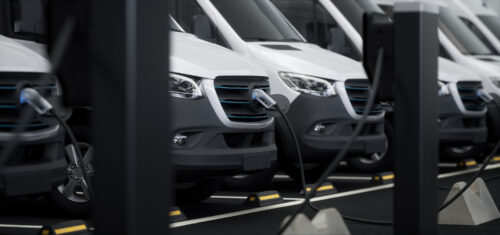
The American Council for an Energy-Efficient Economy (ACEEE) submitted recommendations to the Clean Corridor Coalition on building medium- and heavy-duty electric vehicle (MHDV) charging infrastruc…
The American Council for an Energy-Efficient Economy (ACEEE) submitted recommendations to the Clean Corridor Coalition on building medium- and heavy-duty electric vehicle (MHDV) charging infrastructure in New Jersey, Connecticut, Delaware, and Maryland. ACEEE called for frequent station spacing (every 30-50 miles), strategically located near freight activity centers and designed to scale as adoption grows. While most charging will occur at depots, public and semi-public charging hubs are critical for regional and long-haul trips as well as for smaller fleets with more limited resources. Flexible program design that allows innovative operating models and considers site-specific limitations will ensure cost-effectiveness and accessibility. ACEEE also highlights the importance of transparent utility engagement alongside proactive grid planning to streamline and attract future investments. Together, these recommendations aim to create a reliable, scalable charging network that supports zero-emission freight, reduces emissions in overburdened communities, and advances climate and economic goals.
Energy Efficiency Programs for Large Savings in the Next Decade
Expanded utility-funded energy efficiency programs can significantly slow rising electricity demand and reduce electricity bills; this report explains how.
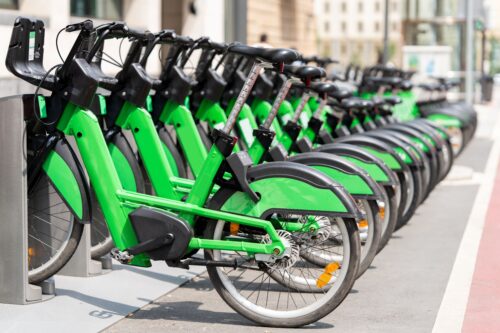
Explore practical strategies, best practices and case studies for planning and implementing clean transportation projects, including electric vehicles, e-bike programs and charging infrastructure, with a focus on improving mobility, reducing costs and expanding transportation access in underserved communities.
Bridging the Equity Gap for Utility Energy Efficiency Programs
Utility energy efficiency programs have increased investment in low-income households, but significant gaps remain. This report examines spending and savings trends across 48 major U.S. utilities, identifies barriers to expanding low-income programs and highlights policies and program strategies that can improve energy affordability and equitable access to efficiency upgrades.
This report identifies pathways for India’s cement industry to decarbonise at a pace compatible with the national climate goal of net-zero emissions by 2070.
Support the Work That Makes Energy Go Further
ACEEE’s independent research and advocacy depend on the support of foundations, businesses, and individuals committed to cutting energy bills, waste, and climate pollution.