ACEEE | American Council for an Energy-Efficient Economy
May 4, 2016
Opportunities for Energy and Economic Savings by Replacing Electric Resistance Heat with Higher Efficiency Heat Pumps
Electric resistance heat, including electric furnaces and baseboard heaters can be inexpensive to install but often expensive to run. Homeowners with these systems can save substantial energy at a …
Opportunities for Energy and Economic Savings by Replacing Electric Resistance Heat with Higher Efficiency Heat Pumps
Complete the form to access this resource.
Electric resistance heat, including electric furnaces and baseboard heaters can be inexpensive to install but often expensive to run. Homeowners with these systems can save substantial energy at a moderate cost by installing a heat pump at the time as they replace a central air conditioner. Even in homes without central air-conditioning, there are opportunities to save energy when an existing electric furnace needs to be replaced, as well as opportunities to install ductless electric heat pumps in homes with baseboard electric heaters. This study analyzes a data set of nearly 2,000 US homes with electric resistance heating systems. We find that converting from electric resistance heat to heat pumps can cut electricity use for home heating by a little over half on average. The South appears to be a particularly promising region for conversion to heat pumps, since electric furnaces are prevalent there, most homes have central air-conditioning, and relatively mild temperatures make for high heat pump efficiency.
Toward Best Practices for Industrial Innovation: Lessons from the Department of Energy’s Industrial Demonstrations Program
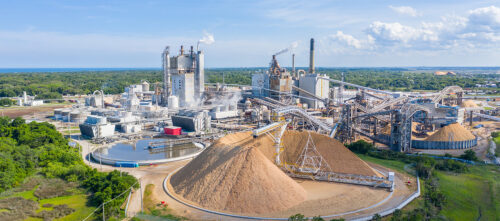
This paper highlights a central lesson for policymakers: Industrial innovation requires alignment across government programs (grants, procurement), financing mechanisms (tax credits, loans), and institutional capacity. When these three are backed by sustained commitment from the public sector, private industry, and external stakeholders, the transition from demonstration to deployment becomes viable.
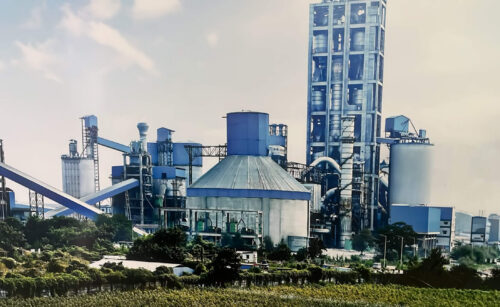
This report identifies pathways for India’s cement industry to decarbonise at a pace compatible with the national climate goal of net-zero emissions by 2070.
Industrial Rate Impacts on Electrification Projects in Illinois and Michigan
New study points to rate structure reforms, supportive programs
Support the Work That Makes Energy Go Further
ACEEE’s independent research and advocacy depend on the support of foundations, businesses, and individuals committed to cutting energy bills, waste, and climate pollution.