ACEEE | American Council for an Energy-Efficient Economy
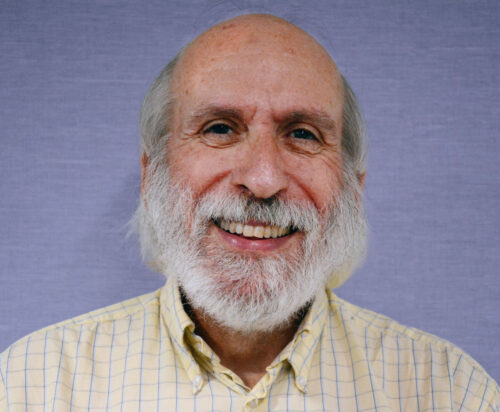
Steven Nadel
Senior Fellow
Steven Nadel joined ACEEE in 1989 and was has served as executive director since 2001. Before his promotion he served as deputy director and director of ACEEE’s Utilities and Buildings programs. Before ACEEE, Steve worked for Massachusetts’ largest electric utility and largest environmental group and worked with an inner city housing organization in Connecticut. He has worked in the energy efficiency field for more than 40 years and has over 200 publications. His current research interests include energy and climate change policy; strategies to decarbonize the buildings, transportation and industrial sectors; utility-sector energy efficiency programs and policies; and appliance and equipment efficiency standards. Steve earned a MS in energy management from the N.Y. Institute of Technology and a MA in environmental studies and BA in government from Wesleyan University.
Coming Electrification Will Require the Grid to Evolve
Energy efficiency and demand response will become increasingly important to maintain grid reliability and reduce need for new generation and infrastructure
Meeting the Challenge: A Review of Energy Efficiency Program Offerings for Low-Income Households
Many low- and moderate-income customers are unlikely to reap the benefits of energy efficiency without help from utility low-income energy efficiency programs. This report provides an update to our…
Analysis of Electric and Gas Decarbonization Options for Homes and Apartments
As climate change intensifies, many states and utilities are making long-term commitments to reduce planet-warming emissions. With buildings responsible for about one-third of these emissions, some…
ACEEE’s independent research and advocacy depend on the support of foundations, businesses, and individuals committed to cutting energy bills, waste, and climate pollution.