Skip to Content

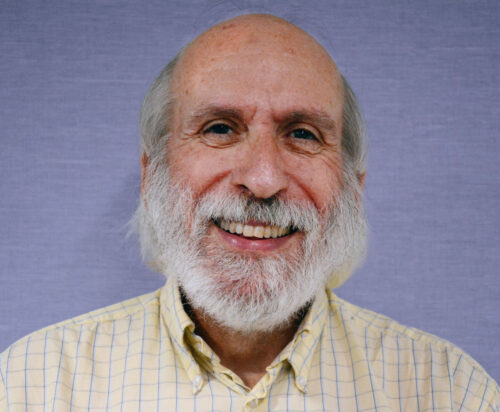
Steven Nadel

Senior Fellow

Steven Nadel joined ACEEE in 1989 and was has served as executive director since 2001. Before his promotion he served as deputy director and director of ACEEE’s Utilities and Buildings programs. Before ACEEE, Steve worked for Massachusetts’ largest electric utility and largest environmental group and worked with an inner city housing organization in Connecticut. He has worked in the energy efficiency field for more than 40 years and has over 200 publications. His current research interests include energy and climate change policy; strategies to decarbonize the buildings, transportation and industrial sectors; utility-sector energy efficiency programs and policies; and appliance and equipment efficiency standards. Steve earned a MS in energy management from the N.Y. Institute of Technology and a MA in environmental studies and BA in government from Wesleyan University.

Expertise:

  • Energy policy
  • Appliance standards
  • Utility programs and policies
  • Developing country issues

Authored by Steven Nadel

2022 International Energy Efficiency Scorecard
international-efficiency-scorecard--2022
  • Research Report
  • Scorecard
  • Energy Efficiency Policy
  • 2022 International Energy Efficiency Scorecard

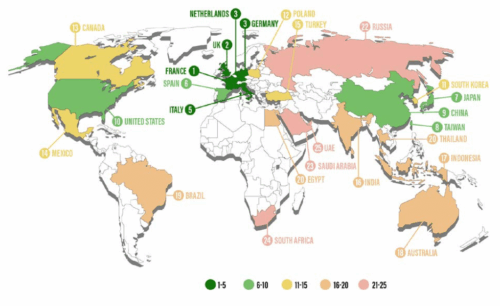
    The fifth ACEEE International Energy Efficiency Scorecard evaluates the efficiency policies and performance of 25 of the most energy-consuming countries globally. We used 36 metrics to score each c…

    Apr 6, 2022

    Energy Efficiency and Demand-Response: Tools to Address Texas’ Reliability Challenges
  • Research Report
  • Homes and Buildings
  • Utilities and the Power Sector
  • Energy Efficiency and Demand-Response: Tools to Address Texas’ Reliability Challenges

    To meet its current power demands as well as the needs of its growing population, Texas must solve its major electric reliability problems, illustrated by widespread power outages during a winter s…

    Oct 14, 2021

    Support the Work That Makes Energy Go Further

    ACEEE’s independent research and advocacy depend on the support of foundations, businesses, and individuals committed to a cleaner, more affordable energy future for all Americans.