ACEEE | American Council for an Energy-Efficient Economy
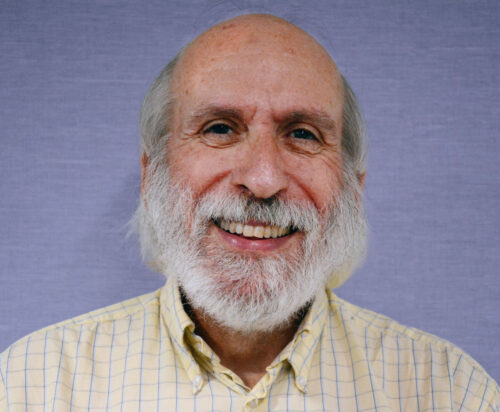
Steven Nadel
Senior Fellow
Steven Nadel joined ACEEE in 1989 and was has served as executive director since 2001. Before his promotion he served as deputy director and director of ACEEE’s Utilities and Buildings programs. Before ACEEE, Steve worked for Massachusetts’ largest electric utility and largest environmental group and worked with an inner city housing organization in Connecticut. He has worked in the energy efficiency field for more than 40 years and has over 200 publications. His current research interests include energy and climate change policy; strategies to decarbonize the buildings, transportation and industrial sectors; utility-sector energy efficiency programs and policies; and appliance and equipment efficiency standards. Steve earned a MS in energy management from the N.Y. Institute of Technology and a MA in environmental studies and BA in government from Wesleyan University.
Can the US cut its energy use in half by 2050? Yes, but we will have to double down on our efforts.
Five years ago, ACEEE found that energy efficiency could reduce projected 2050 US energy use by 40–60%. As a result, ACEEE established a strategic goal to reduce projected 2050 energy use...
Pathway to Cutting Energy Use and Carbon Emissions in Half
We look at how much energy efficiency can reduce US energy use by 2040 and what this might mean for savings in 2050. Specifically, we analyze 13 packages of energy efficiency measures and find that…
What do the 2016 election results mean for energy efficiency?
Now that the hard-fought 2016 election is over, I think it is useful to consider its impact on energy efficiency policy. No doubt, a lot of uncertainty remains because of President-elect Donald Tru...
Solar and energy efficiency need to work together like peanut butter and jelly
Energy efficiency and solar advocates have on occasion butted heads over which option should be implemented in homes and buildings first and how much should be installed before the other ...
Studies suggest that past rates of energy efficiency improvement can be sustained
Can efficiency improvements achieved in past decades be sustained in the future? How much impact does the rebound effect have on energy efficiency potential out to 2030, or even 205...
Electricity Consumption and Peak Demand Scenarios for New England
Multiple trends will affect electricity demand in the coming decades, including the pace at which we adopt energy efficiency, photovoltaics, electric vehicles, and heat pumps. This report focuses o…
Will New England electricity consumption continue to stay flat?
In the US, electricity consumption has been essentially flat in recent years. Increased energy efficiency efforts have contributed to this lack of consumption growth, even as the US econo...
Energy-water nexus issues heighten in the face of climate change
ACEEE and many others have noted the importance of the nexus between energy and water issues. Energy is used to move, treat, and heat water. Water is vital for producing energy, such as for co...
ACEEE’s independent research and advocacy depend on the support of foundations, businesses, and individuals committed to cutting energy bills, waste, and climate pollution.