ACEEE | American Council for an Energy-Efficient Economy
Aug 31, 2016
Electricity Consumption and Peak Demand Scenarios for New England
Multiple trends will affect electricity demand in the coming decades, including the pace at which we adopt energy efficiency, photovoltaics, electric vehicles, and heat pumps. This report focuses o…
Electricity Consumption and Peak Demand Scenarios for New England
Complete the form to access this resource.
Multiple trends will affect electricity demand in the coming decades, including the pace at which we adopt energy efficiency, photovoltaics, electric vehicles, and heat pumps. This report focuses on New England electricity consumption and peak demand in light of these trends, developing three scenarios. We find that electricity consumption and peak demand are likely to decline in the region through about 2030, but then start to grow with increased electric vehicle and heat pump saturation. Winter peak demand will grow more than summer peak demand; in our most aggressive scenario, the 2040 winter peak is nearly the same as the summer peak. We examine the details and implications of all three scenarios.
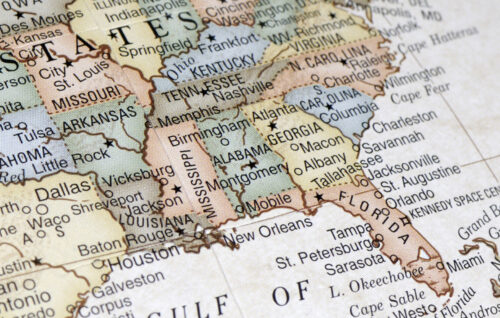
The Electric Furnace Fix: How Replacing Air Conditioners with Heat Pumps Reduces Electric Heating Bills and Winter Peak Demand in the U.S. South
Helping millions of Southern households shift most of their heating from inefficient electric resistance to heat pumps would dramatically lower utility bills and ease strain on the grid.
Energy Efficiency Programs for Large Savings in the Next Decade
Expanded utility-funded energy efficiency programs can significantly slow rising electricity demand and reduce electricity bills; this report explains how.
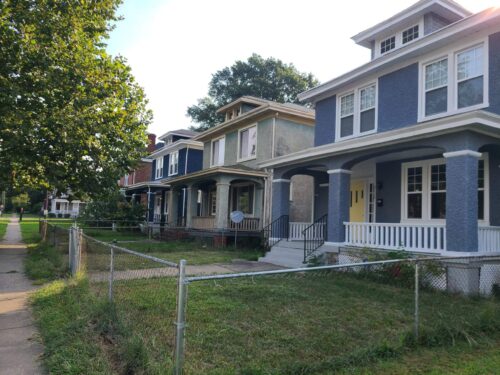
Bridging the Equity Gap for Utility Energy Efficiency Programs
Utility energy efficiency programs have increased investment in low-income households, but significant gaps remain. This report examines spending and savings trends across 48 major U.S. utilities, identifies barriers to expanding low-income programs and highlights policies and program strategies that can improve energy affordability and equitable access to efficiency upgrades.
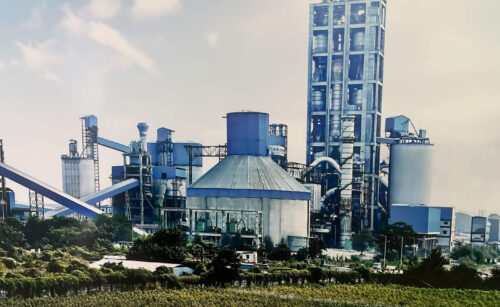
This report identifies pathways for India’s cement industry to decarbonise at a pace compatible with the national climate goal of net-zero emissions by 2070.
Support the Work That Makes Energy Go Further
ACEEE’s independent research and advocacy depend on the support of foundations, businesses, and individuals committed to cutting energy bills, waste, and climate pollution.