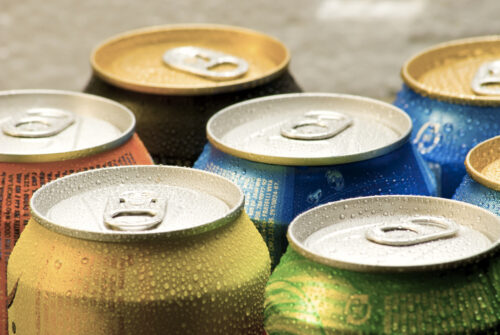
Late yesterday, the Department of Energy (DOE) proposed strong new standards that would reduce the energy consumed by beverage vending machines to keep drinks cold. The proposed standards would cut energy use by 25-65% relative to the least-efficient machines available now, and save money for schools, hospitals, hotels, and other businesses and institutions where beverage vending machines are used.
Beverage vending machines meeting the new standards, sold over 30 years, would reduce national electricity consumption by 23 billion kilowatt-hours, an amount equal to the annual energy consumption of 2.1 million US households, netting savings of $0.4–1.1 billion for vending machine property owners.
DOE set the first national efficiency standards for beverage vending machines in 2009, which took effect in 2012. The current standards apply to common beverage vending machines where the complete machine is refrigerated. The new proposed rule would update the current standards and also establish new standards for “combination” beverage vending machines, where the machine includes both a refrigerated section to cool and hold beverages, as well as a non-refrigerated section to hold snack items, for example.
A key innovative element of the new proposed standards is crediting energy-saving control strategies.
The two main types of energy-saving controls used in beverage vending machines are lighting controls and refrigeration system controls. Lighting controls automatically dim or turn off the lights illuminating the beverages and any signage during periods when a building is closed or there is low customer traffic. Refrigeration system controls allow the temperature of the beverages in the machine to rise a few degrees during periods of extended inactivity before the machine automatically returns to normal vending temperatures.
Improved components, such as more-efficient compressors and fan motors and better heat exchangers, would also help meet the new standards.
DOE is scheduled to publish a final rule by February 2016, and the new standards would take effect three years later.