ACEEE | American Council for an Energy-Efficient Economy
Nov 29, 2022
Connecting Rural Communities with Historic Federal Clean Energy Investments
An influx of federal dollars is available to local governments for energy efficiency, renewable energy, and transportation efficiency projects. Through this funding, the Inflation Reduction Act (IR…
An influx of federal dollars is available to local governments for energy efficiency, renewable energy, and transportation efficiency projects. Through this funding, the Inflation Reduction Act (IRA), Infrastructure Investment and Jobs Act (IIJA), and American Rescue Plan Act (ARPA) can help rural communities lower their energy and transportation costs and access cleaner electricity.
In partnership with the Great Plains Institute, ACEEE has created resources to support small and medium local governments (of jurisdictions with fewer than 50,000 people) as they identify and pursue recent and upcoming federal funding for energy efficiency, clean energy, and transportation efficiency projects. These resources are designed with midwestern local governments in mind but are relevant to rural communities across the country. The resources below are intended to help local governments identify federal programs of interest, determine next steps for securing federal funding, and design equitable and effective energy and transportation projects.
Accessing Federal Funding
These fact sheets describe federal funding opportunities to help local governments implement energy efficiency, renewable energy, and transportation efficiency projects.
These fact sheets include energy efficiency, renewable energy, and transportation efficiency project models that small and medium local governments can pursue with federal funds.
Building a Better America(Build.gov). This central hub for IIJA resources provides a roadmap of available funding and program-by-program information, including details about milestones and links to program information on the System for Award Management (SAM) website and Grants.gov. Build.gov also hosts an application to quickly sort and filter programs by agency, issue, and eligible recipients.
White House Rural Infrastructure Playbook. This playbook helps rural communities understand available funding under IIJA. Also included are links to rural factsheets published by seven key federal agencies that highlight how agency resources and capabilities can help rural communities.
Rural Partners Network (Rural.gov). The Rural Partners Network is an alliance of federal agencies and commissions helping rural communities find resources and funding to create jobs, build infrastructure, and support long-term economic stability. Subscribe here for newsletter updates. The EPA also provides newsletter updates about funding and technical assistance opportunities from federal agencies to support state, local, and tribal initiatives related to climate, energy, water, and economic development.
White House IIJA Technical Assistance Guide. This guide provides a list of more than 65 technical assistance resources and programs across the federal government to help communities deliver infrastructure projects.
DOE Clean Cities Coalition Network Technical Assistance. The Clean Cities Coalition Network connects transportation stakeholders with information and experts to assist with alternative fuels, fuel economy improvements, and emerging transportation technologies. The site offers information about accessing technical assistance, outreach materials and templates for EV infrastructure projects, as well as upcoming events and webinars.
National League of Cities Grant Application Bootcamp (Local Infrastructure Hub). NLC’s Local Infrastructure Hub is offering a series of bootcamps designed to help small and mid-sized local governments take advantage of the grant opportunities available through the Infrastructure Investment and Jobs Act. Over the next two years, there will be at least 30 bootcamps, each corresponding to a specific category of spending under the infrastructure law.
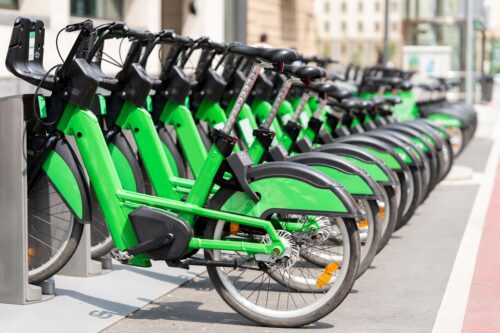
Explore practical strategies, best practices and case studies for planning and implementing clean transportation projects, including electric vehicles, e-bike programs and charging infrastructure, with a focus on improving mobility, reducing costs and expanding transportation access in underserved communities.
Bridging the Equity Gap for Utility Energy Efficiency Programs
Utility energy efficiency programs have increased investment in low-income households, but significant gaps remain. This report examines spending and savings trends across 48 major U.S. utilities, identifies barriers to expanding low-income programs and highlights policies and program strategies that can improve energy affordability and equitable access to efficiency upgrades.
Efficiency Saves: Cutting Energy Waste Can Save $31,000 per Household
The United States faces interlocking energy challenges: rising home energy bills and gasoline prices; new demand for electricity from data centers and other loads; high greenhouse gas emissions from burning fossil fuels.
Now, a new era of energy efficiency progress in our buildings, transportation, and industry is needed to meet this moment. This wide-ranging study finds a massive opportunity.
Congress Can Cut Freight Costs and Consumer Prices by Addressing Key Issues in the BUILD America 250 Act
The BUILD America 250 Act, advanced by the U.S. House Transportation and Infrastructure Committee, would eliminate or weaken many programs that help lower transportation …
Support the Work That Makes Energy Go Further
ACEEE’s independent research and advocacy depend on the support of foundations, businesses, and individuals committed to cutting energy bills, waste, and climate pollution.