ACEEE | American Council for an Energy-Efficient Economy
Sep 10, 2021
Clean Infrastructure: Efficiency Investments for Jobs, Climate, and Consumers
Energy efficiency investments in an infrastructure bill could result in more than 3 million more people working for a year (job-years), more than 4 billion tons of reduced carbon dioxide emissions,…
Energy efficiency investments in an infrastructure bill could result in more than 3 million more people working for a year (job-years), more than 4 billion tons of reduced carbon dioxide emissions, and almost $300 billion in net consumer savings, all while building the foundation for a clean economy. Following on an earlier fact sheet and report, we analyzed the likely impacts from eight sets of energy efficiency investments in homes and commercial buildings, electric vehicles, transportation infrastructure, manufacturing plants, states, and cities. Key proposals include commercialization of transformative industrial technologies, energy retrofits of affordable housing, and incentives for heat pumps and electric trucks and buses.
The investments analyzed include:
Buildings
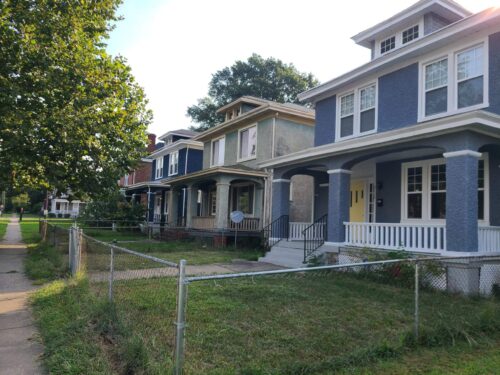
Home retrofits. Programs to cut energy waste in existing homes, including an increase in the low-income Weatherization Assistance Program (WAP), a new Green, Resilient, Efficient, and Affordable Homes for Tenants (GREAHT) program for multifamily apartment buildings, and a new HOPE for HOMES rebate and job training program
Building tax incentives. Improvements to existing tax incentives for home improvements (25C), new homes (45L), and both new and upgraded commercial buildings (179D)
Heat pump and appliance incentives. New proposals to spur use of heat pumps and heat pump water heaters, as well as induction stoves, heat pump dryers, and super-efficient refrigerators and washing machines, through consumer rebates or through a manufacturer tax incentive
Industry
Industrial energy management. Energy assessments, technical assistance, and grants for small manufacturers through the existing Industrial Assessment Centers; for medium manufacturers through a new FlexTech state program; and for large firms through a new Save Energy and Carbon Now program; also, matching funds to hire new energy managers and support for strategic energy management
Industrial innovation. A new First Three program to provide support for initial commercial-scale applications of innovative carbon-saving technologies, and new support for innovations in industrial clusters
Transportation
Electric vehicle tax credits. Expansion of tax credits for electric passenger vehicles (30C) and electric chargers (30D) and a new credit for electric trucks
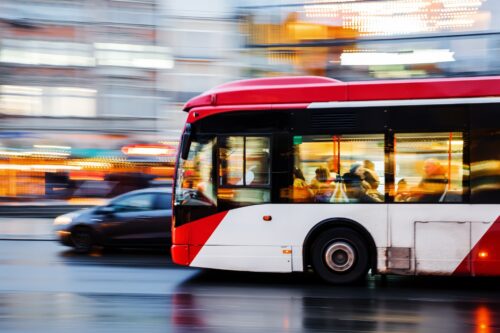
Transportation carbon reduction programs. Proposed transportation bill programs to fund investments to reduce fuel use and emissions
Cross-cutting
State and local programs. New funding for the State Energy Program and for Energy Efficiency Conservation Block Grants to implement energy efficiency and renewable energy measures
Bridging the Equity Gap for Utility Energy Efficiency Programs
Utility energy efficiency programs have increased investment in low-income households, but significant gaps remain. This report examines spending and savings trends across 48 major U.S. utilities, identifies barriers to expanding low-income programs and highlights policies and program strategies that can improve energy affordability and equitable access to efficiency upgrades.
Efficiency Saves: Cutting Energy Waste Can Save $31,000 per Household
The United States faces interlocking energy challenges: rising home energy bills and gasoline prices; new demand for electricity from data centers and other loads; high greenhouse gas emissions from burning fossil fuels.
Now, a new era of energy efficiency progress in our buildings, transportation, and industry is needed to meet this moment. This wide-ranging study finds a massive opportunity.
Congress Can Cut Freight Costs and Consumer Prices by Addressing Key Issues in the BUILD America 250 Act
The BUILD America 250 Act, advanced by the U.S. House Transportation and Infrastructure Committee, would eliminate or weaken many programs that help lower transportation …
Maximizing State Transportation Investments: How Redirecting Spending from Highway Expansion to Public Transit Supports Economies and Communities
Costs to deliver transportation projects have risen drastically in recent years. To avoid wasteful spending, each new dollar invested in transportation infrastructur…
Support the Work That Makes Energy Go Further
ACEEE’s independent research and advocacy depend on the support of foundations, businesses, and individuals committed to cutting energy bills, waste, and climate pollution.