ACEEE | American Council for an Energy-Efficient Economy
Jun 23, 2021
The Cost of Saving Electricity for the Largest U.S. Utilities: Ratepayer-Funded Efficiency Programs in 2018
Energy efficiency has historically been one of the lowest-cost resources available to utilities and grid planners to meet their power supply needs. Given the complex interplay of changing technolog…
Energy efficiency has historically been one of the lowest-cost resources available to utilities and grid planners to meet their power supply needs. Given the complex interplay of changing technologies, market trends, and affordable renewable energy resources, this brief analyzes utility programs’ current costs to determine whether energy efficiency is still as cost-effective as it has been in the past. Based on energy efficiency savings and spending data from 48 of the largest investor-owned utilities, this analysis demonstrates the cost to each utility per saved kWh in the most recent program year for which data are available (2018).
We find that using the most recently available cost data, the levelized cost of saved energy was even lower than in prior years, thanks to utilities expanding their efficiency portfolios. Weighted based on savings, the average levelized cost per saved kilowatt-hour was 2.4 cents, putting efficiency on par with the cheapest sources of clean energy available on the grid today. This value includes the cost of low-income programs, which typically come at a higher cost to program administrators. Based on the results from this analysis, we recommend that utilities and grid planners scale up energy efficiency programs if they want to deliver affordable power to customers while seeking to phase out fossil fuels and decarbonize our electric power system.
Bridging the Equity Gap for Utility Energy Efficiency Programs
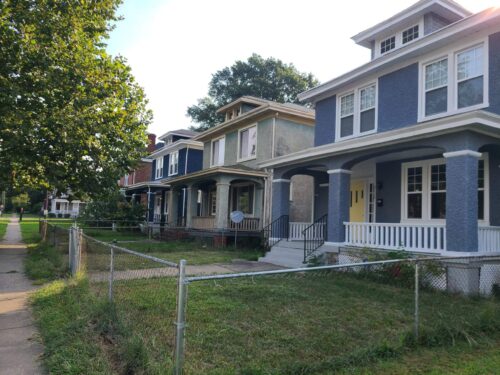
Utility energy efficiency programs have increased investment in low-income households, but significant gaps remain. This report examines spending and savings trends across 48 major U.S. utilities, identifies barriers to expanding low-income programs and highlights policies and program strategies that can improve energy affordability and equitable access to efficiency upgrades.
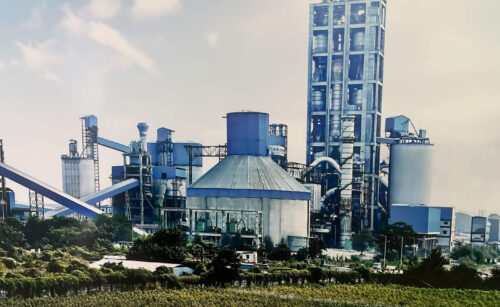
This report identifies pathways for India’s cement industry to decarbonise at a pace compatible with the national climate goal of net-zero emissions by 2070.
Home Energy Reports and Beyond: Meeting the Moment with Behavior-Based Energy Efficiency
Home energy report programs, in which utilities provide households with personalized insights into their energy use and tips to lower their bills, are a…
Strategies for Enhancing Resilience and Minimizing Vulnerabilities to Extreme Heat Events
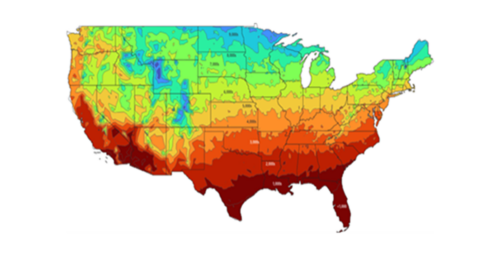
Extreme heat is one of the fastest-growing climate-related hazards in the United States, increasing mortality, straining buildings and energy systems, and amplifying risks for households with limit…
Support the Work That Makes Energy Go Further
ACEEE’s independent research and advocacy depend on the support of foundations, businesses, and individuals committed to cutting energy bills, waste, and climate pollution.