ACEEE | American Council for an Energy-Efficient Economy
Jan 10, 2012
Greening Work Styles: An Analysis of Energy Behavior Programs in the Workplace
This report focuses on energy behavior programs in the workplace, which aim to reduce building energy use through change in employees’ attitudes and behaviors. The report reviews five energy …
Greening Work Styles: An Analysis of Energy Behavior Programs in the Workplace
Complete the form to access this resource.
This report focuses on energy behavior programs in the workplace, which aim to reduce building energy use through change in employees’ attitudes and behaviors. The report reviews five energy behavior projects across the U.S. and Canada. Energy savings of the studied energy behavior projects are from 4% (savings from a stand-alone behavior program) to nearly 75% (savings from a comprehensive project in which a behavior program is a component).
The report also identifies four intervention strategies shared by the reviewed energy behavior projects: (1) setting the tone with strong support from upper management and good program branding; (2) building a team consisting of a stakeholder-oriented program committee and peer champions selected from building occupants; (3) employing communication tools including e-mail, Web sites, prompts, posters and public meetings; and (4) deploying key engagement techniques such as feedback, benign peer pressure, competition, rewards, and reference to appropriate social norms.
The report suggests that the energy research community and energy efficiency professionals should work together to develop an improved evaluation framework to better document, study, and evaluate energy behavior programs. The integration of energy behavior programs into relevant building energy efficiency initiatives would help promote the development and deployment of advanced technologies in a more conservation-conscious environment. Moreover, government at every level should consider leading by example by implementing their own energy behavior programs, which would help promote a culture of energy saving in their workplaces and beyond.
Bridging the Equity Gap for Utility Energy Efficiency Programs
Utility energy efficiency programs have increased investment in low-income households, but significant gaps remain. This report examines spending and savings trends across 48 major U.S. utilities, identifies barriers to expanding low-income programs and highlights policies and program strategies that can improve energy affordability and equitable access to efficiency upgrades.
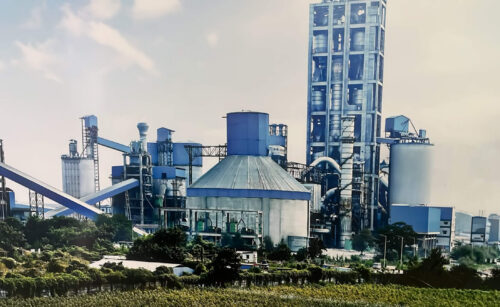
This report identifies pathways for India’s cement industry to decarbonise at a pace compatible with the national climate goal of net-zero emissions by 2070.
Efficiency Saves: Cutting Energy Waste Can Save $31,000 per Household
The United States faces interlocking energy challenges: rising home energy bills and gasoline prices; new demand for electricity from data centers and other loads; high greenhouse gas emissions from burning fossil fuels.
Now, a new era of energy efficiency progress in our buildings, transportation, and industry is needed to meet this moment. This wide-ranging study finds a massive opportunity.
Support the Work That Makes Energy Go Further
ACEEE’s independent research and advocacy depend on the support of foundations, businesses, and individuals committed to cutting energy bills, waste, and climate pollution.