ACEEE | American Council for an Energy-Efficient Economy
Dec 16, 2025
Unlocking Industrial Electrification in California
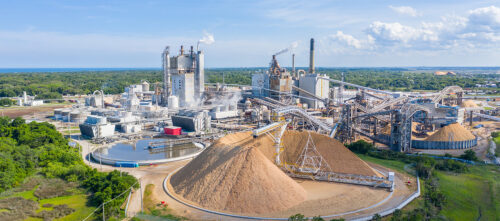
California today has more gas-fired industrial boilers than any other state, causing significant climate and air pollution. The California Public Utilities Commission can cut this pollution by upda…
California today has more gas-fired industrial boilers than any other state, causing significant climate and air pollution. The California Public Utilities Commission can cut this pollution by updating electric rates for industrial facilities to incentivize use of electric equipment, according to this report from Industrious Labs, Sierra Club, and the American Council for an Energy-Efficient Economy, in collaboration with Synapse Energy. The report identifies rate improvements that would encourage facilities to transition from gas boilers and focus power use of new electric equipment to nonpeak hours. Because many of California’s industrial facilities only require temperatures up to 200°C, they are good candidates to adopt heat pumps—a cleaner electric alternative to boilers—if the right rates are put in place. Shifting power use to nonpeak hours would spread out electricity demand, reducing the need for expensive grid upgrades and lowering long-term energy costs for all California residents.
Toward Best Practices for Industrial Innovation: Lessons from the Department of Energy’s Industrial Demonstrations Program
This paper highlights a central lesson for policymakers: Industrial innovation requires alignment across government programs (grants, procurement), financing mechanisms (tax credits, loans), and institutional capacity. When these three are backed by sustained commitment from the public sector, private industry, and external stakeholders, the transition from demonstration to deployment becomes viable.
Bridging the Equity Gap for Utility Energy Efficiency Programs
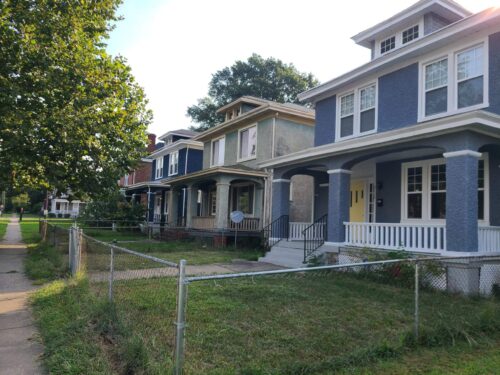
Utility energy efficiency programs have increased investment in low-income households, but significant gaps remain. This report examines spending and savings trends across 48 major U.S. utilities, identifies barriers to expanding low-income programs and highlights policies and program strategies that can improve energy affordability and equitable access to efficiency upgrades.
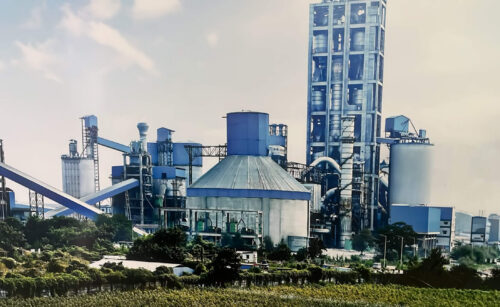
This report identifies pathways for India’s cement industry to decarbonise at a pace compatible with the national climate goal of net-zero emissions by 2070.
Efficiency Saves: Cutting Energy Waste Can Save $31,000 per Household
The United States faces interlocking energy challenges: rising home energy bills and gasoline prices; new demand for electricity from data centers and other loads; high greenhouse gas emissions from burning fossil fuels.
Now, a new era of energy efficiency progress in our buildings, transportation, and industry is needed to meet this moment. This wide-ranging study finds a massive opportunity.
Support the Work That Makes Energy Go Further
ACEEE’s independent research and advocacy depend on the support of foundations, businesses, and individuals committed to cutting energy bills, waste, and climate pollution.