ACEEE | American Council for an Energy-Efficient Economy
Oct 24, 2017
Making a Difference: Strategies for Successful Low-Income Energy Efficiency Programs
Energy efficiency is a powerful tool for lowering the disproportionate energy costs faced by low-income customers. Unfortunately, lack of capital, lack of credit, and aging housing stock that may n…
Making a Difference: Strategies for Successful Low-Income Energy Efficiency Programs
Complete the form to access this resource.
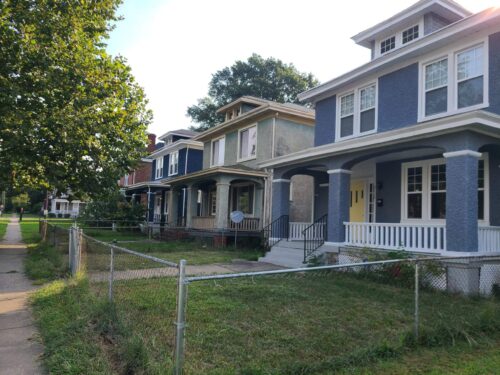
Energy efficiency is a powerful tool for lowering the disproportionate energy costs faced by low-income customers. Unfortunately, lack of capital, lack of credit, and aging housing stock that may need health and safety improvements often prevent these consumers from taking advantage of low-income energy efficiency programs. This report delves into programs that have overcome these barriers to achieve high participation and deliver deep savings. We explore the key features that make these offerings successful, including leveraging of diverse funding sources, targeted program offerings, statewide coordination and partnerships, and a focus on quality control.
Bridging the Equity Gap for Utility Energy Efficiency Programs
Utility energy efficiency programs have increased investment in low-income households, but significant gaps remain. This report examines spending and savings trends across 48 major U.S. utilities, identifies barriers to expanding low-income programs and highlights policies and program strategies that can improve energy affordability and equitable access to efficiency upgrades.
Efficiency Saves: Cutting Energy Waste Can Save $31,000 per Household
The United States faces interlocking energy challenges: rising home energy bills and gasoline prices; new demand for electricity from data centers and other loads; high greenhouse gas emissions from burning fossil fuels.
Now, a new era of energy efficiency progress in our buildings, transportation, and industry is needed to meet this moment. This wide-ranging study finds a massive opportunity.
Congress Can Cut Freight Costs and Consumer Prices by Addressing Key Issues in the BUILD America 250 Act
The BUILD America 250 Act, advanced by the U.S. House Transportation and Infrastructure Committee, would eliminate or weaken many programs that help lower transportation …
Support the Work That Makes Energy Go Further
ACEEE’s independent research and advocacy depend on the support of foundations, businesses, and individuals committed to cutting energy bills, waste, and climate pollution.