ACEEE | American Council for an Energy-Efficient Economy
Mar 21, 2017
Rate Design Matters: The Intersection of Residential Rate Design and Energy Efficiency
Residential electric rates are in a period of change as utilities in many regions of the country are experiencing flattening and declining sales. At the same time, technological advances are drivin…
Rate Design Matters: The Intersection of Residential Rate Design and Energy Efficiency
Complete the form to access this resource.
Residential electric rates are in a period of change as utilities in many regions of the country are experiencing flattening and declining sales. At the same time, technological advances are driving increased deployment of advanced metering, electric vehicles, and residential rooftop solar. All these changes are causing utilities to propose new rate designs for residential customers that depart substantially from previous offerings. Proposals for higher customer charges, demand charges, and time-varying rates are all on the rise. This report explores how these changes in residential electric rates may alter customer behavior and engagement in energy efficiency programs. We review recent studies on customer response to electric prices and analyze how various rate design proposals could alter payback periods for residential energy efficiency measures. We conclude with recommendations for regulators based on recent evidence of customer response to rate design.
Energy Efficiency Programs for Large Savings in the Next Decade
Expanded utility-funded energy efficiency programs can significantly slow rising electricity demand and reduce electricity bills; this report explains how.
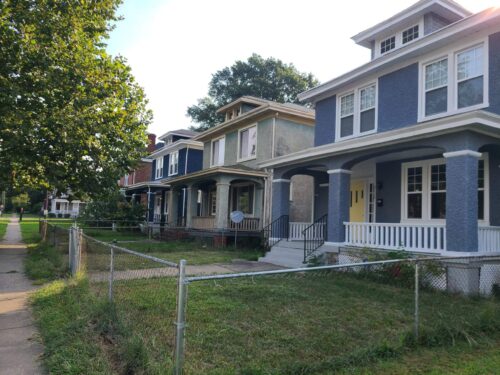
Bridging the Equity Gap for Utility Energy Efficiency Programs
Utility energy efficiency programs have increased investment in low-income households, but significant gaps remain. This report examines spending and savings trends across 48 major U.S. utilities, identifies barriers to expanding low-income programs and highlights policies and program strategies that can improve energy affordability and equitable access to efficiency upgrades.
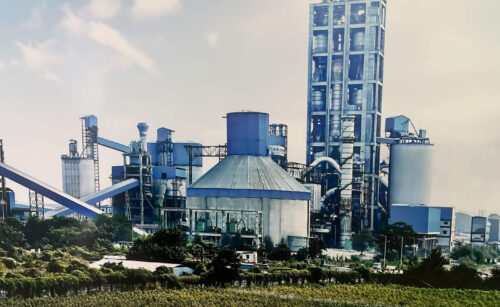
This report identifies pathways for India’s cement industry to decarbonise at a pace compatible with the national climate goal of net-zero emissions by 2070.
Support the Work That Makes Energy Go Further
ACEEE’s independent research and advocacy depend on the support of foundations, businesses, and individuals committed to cutting energy bills, waste, and climate pollution.