Five Years In: An Examination of the First Half-Decade of Public Benefits Energy Efficiency Policies (full report with summary table plus 162 pp. appendices)
This report presents the results of a comprehensive follow-up study to the original ground-breaking research on state public benefits policies (A Review and Early Assessment of Public Benefit Polic…
Five Years In: An Examination of the First Half-Decade of Public Benefits Energy Efficiency Policies (full report with summary table plus 162 pp. appendices)
Complete the form to access this resource.
This report presents the results of a comprehensive follow-up study to the original ground-breaking research on state public benefits policies (A Review and Early Assessment of Public Benefit Policies Under Electric Restructuring, published in 2000). In this new study, an up-to-date review and summary of the many varied approaches being taken in the states, and a documentation and assessment of the results and experiences with these policies and programs now that they have been in operation for several years is included. The full report package includes over 200 pages of appendices providing detailed state-by-state profiles for each of the 21 states (plus D.C.) that have enacted some type of public benefits energy efficiency policy.
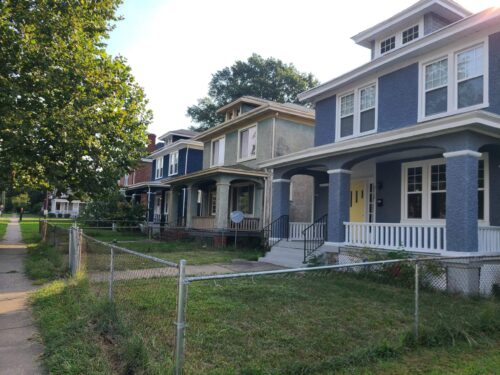
Bridging the Equity Gap for Utility Energy Efficiency Programs
Utility energy efficiency programs have increased investment in low-income households, but significant gaps remain. This report examines spending and savings trends across 48 major U.S. utilities, identifies barriers to expanding low-income programs and highlights policies and program strategies that can improve energy affordability and equitable access to efficiency upgrades.
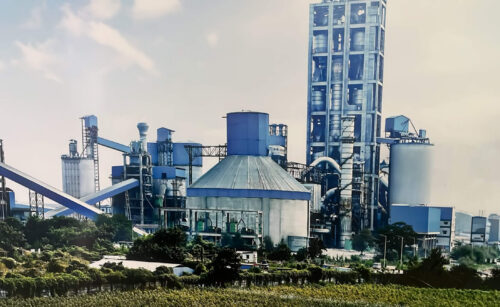
This report identifies pathways for India’s cement industry to decarbonise at a pace compatible with the national climate goal of net-zero emissions by 2070.
Home Energy Reports and Beyond: Meeting the Moment with Behavior-Based Energy Efficiency
Home energy report programs, in which utilities provide households with personalized insights into their energy use and tips to lower their bills, are a…
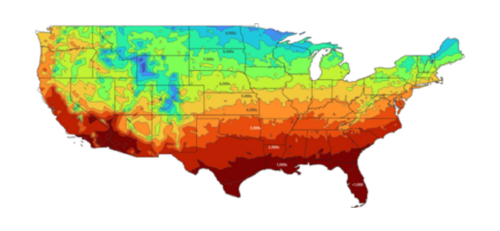
Strategies for Enhancing Resilience and Minimizing Vulnerabilities to Extreme Heat Events
Extreme heat is one of the fastest-growing climate-related hazards in the United States, increasing mortality, straining buildings and energy systems, and amplifying risks for households with limit…
Support the Work That Makes Energy Go Further
ACEEE’s independent research and advocacy depend on the support of foundations, businesses, and individuals committed to cutting energy bills, waste, and climate pollution.