ACEEE | American Council for an Energy-Efficient Economy
Aug 26, 2024
A Proposed Evaluation Framework for New and Emerging Low-Embodied-Carbon Concrete Technologies
The past decade has seen rapid innovation in building materials to decarbonize new construction. With the explosion in choice, builders, investors, and other decisionmakers need a standard approach…
The past decade has seen rapid innovation in building materials to decarbonize new construction. With the explosion in choice, builders, investors, and other decisionmakers need a standard approach for evaluating how new and emerging emission-reducing technologies could affect buildings’ lifecycle carbon impacts.
We propose a framework for assessing low-embodied-carbon concrete. Although relatively low in embodied emissions compared to building materials such as steel, concrete accounts for 8% of today’s global greenhouse gas emissions because it is so widely used. But new types of concrete that could reduce these emissions are becoming available. Our framework proposes evaluating these technologies based on five primary, or “must have,” attributes: embodied carbon level, technology development stage, cost of implementation compared to business as usual, market size, and scalability. We discuss how to use the framework, illustrate an example assessment, and provide a short case study of a promising technology. We also discuss next steps for refining and implementing the framework, including the need to standardize measurement and validation and obtain buy-in.
#block-views-block-hero-block-1 > div > div > div > div > div > div > div > div > div > div > div.button.hollow.tag {display: none !important}
#block-views-block-hero-block-1 > div > div > div > div > div > div > div > div > div > div > h1 {padding-top:30px;}
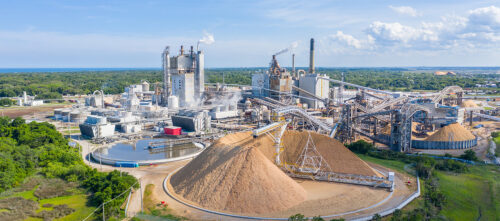
Toward Best Practices for Industrial Innovation: Lessons from the Department of Energy’s Industrial Demonstrations Program
This paper highlights a central lesson for policymakers: Industrial innovation requires alignment across government programs (grants, procurement), financing mechanisms (tax credits, loans), and institutional capacity. When these three are backed by sustained commitment from the public sector, private industry, and external stakeholders, the transition from demonstration to deployment becomes viable.
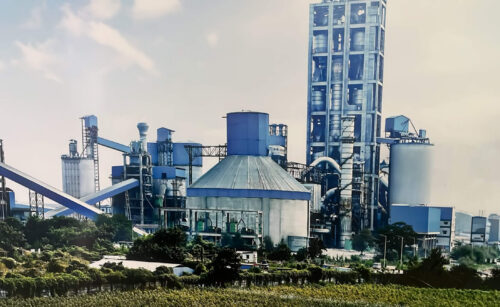
This report identifies pathways for India’s cement industry to decarbonise at a pace compatible with the national climate goal of net-zero emissions by 2070.
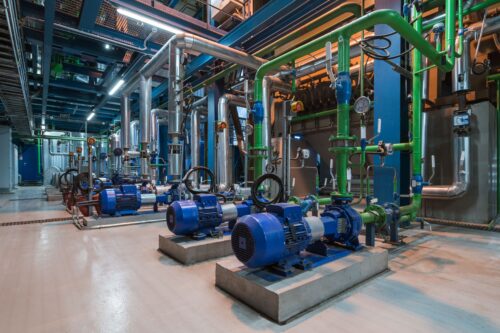
Industrial Rate Impacts on Electrification Projects in Illinois and Michigan
New study points to rate structure reforms, supportive programs
Support the Work That Makes Energy Go Further
ACEEE’s independent research and advocacy depend on the support of foundations, businesses, and individuals committed to cutting energy bills, waste, and climate pollution.