In October of 2013 the American Council for an Energy Efficient Economy (ACEEE) and Energi Insurance Services, with support from the National Renewable Energy Laboratory (NREL), Argonne National La…
In October of 2013 the American Council for an Energy Efficient Economy (ACEEE) and Energi Insurance Services, with support from the National Renewable Energy Laboratory (NREL), Argonne National Laboratory, and the US Department of Energy (DOE), brought together a group of stakeholders to discuss issues facing small- to mid-size lenders in the energy efficiency space. This gathering was called the Small Lender Energy Efficiency Convening and from this SLEEC was born.
This page is intended to serve as a repository for technical assistance and other relevant information for lenders interested in energy efficiency. Below are links to research reports, blog posts, fact sheets, and webpages, from ACEEE and others brought together in one place to aid and inform those interested the energy efficiency finance marketplace.
Engaging Small to Mid-Size Lenders in the Market for Energy Efficiency Investment: Lessons Learned from SLEEC, ACEEE. This white paper covers the findings and discussions from the first SLEEC meeting in 2013, the report addresses the opportunities and challenges for small to mid-size lenders in entering the energy efficiency space. There is also a focus on the ways that technical assistance, policy, research and private sector product development can catalyze market activity.
Notes and Key Findings from the 2014 Multifamily SLEEC Meeting, ACEEE. This document summarizes central issues discussed in the 2014 multifamily SLEEC meeting. The memo addresses key barriers and strategies for the multifamily finance market, and shares insights into the next steps forward for this space.
5 Key Lessons from SLEEC, ACEEE. This blog post shares initial impressions from the first SLEEC gathering and summarizes the five key lessons.
Financing Energy Efficiency, ACEEE. Fact page outlining a general overview of energy efficiency finance, a good start if you are just getting to know the marketplace.
Green Building and Property Value, IMT & Appraisal Institute. This report discussing ways in which to determine the value of green buildings and energy efficiency improvements.
Setting the PACE: Financing Commercial Retrofits, Johnson Controls. Report on the benefits and history of PACE financings, specifically this paper looks at commercial PACE and the barriers the market will face as well as way to overcome these barriers.
Energy Service Agreements (ESA) and Managed Energy Service Agreements (MESA)
Transforming Multifamily Housing, Fannie Mae. Fannie Mae’s Green Initiative and Energy Star® for Multifamily: Fact sheet on Fannie Mae’s Green Initiative for multifamily housing; includes information on the new Energy Star® rating system for multifamily buildings.
Multifamily Savings Project,ACEEE. Link to ACEEE’s multiyear project on promoting energy efficiency in multifamily buildings. For more information on the topic check out the multifamily resource library.
Bridging the Equity Gap for Utility Energy Efficiency Programs
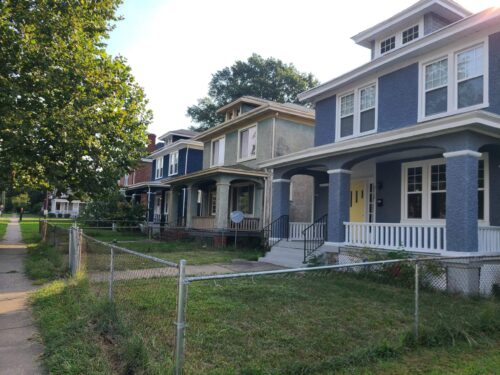
Utility energy efficiency programs have increased investment in low-income households, but significant gaps remain. This report examines spending and savings trends across 48 major U.S. utilities, identifies barriers to expanding low-income programs and highlights policies and program strategies that can improve energy affordability and equitable access to efficiency upgrades.
Efficiency Saves: Cutting Energy Waste Can Save $31,000 per Household
The United States faces interlocking energy challenges: rising home energy bills and gasoline prices; new demand for electricity from data centers and other loads; high greenhouse gas emissions from burning fossil fuels.
Now, a new era of energy efficiency progress in our buildings, transportation, and industry is needed to meet this moment. This wide-ranging study finds a massive opportunity.
Congress Can Cut Freight Costs and Consumer Prices by Addressing Key Issues in the BUILD America 250 Act
The BUILD America 250 Act, advanced by the U.S. House Transportation and Infrastructure Committee, would eliminate or weaken many programs that help lower transportation …
Maximizing State Transportation Investments: How Redirecting Spending from Highway Expansion to Public Transit Supports Economies and Communities
Costs to deliver transportation projects have risen drastically in recent years. To avoid wasteful spending, each new dollar invested in transportation infrastructur…
Support the Work That Makes Energy Go Further
ACEEE’s independent research and advocacy depend on the support of foundations, businesses, and individuals committed to cutting energy bills, waste, and climate pollution.