ACEEE | American Council for an Energy-Efficient Economy
Nov 20, 2025
Equitable Rate Design in Rhode Island
Percentage of income payment plans (PIPPs) and low-income rates are a proven tool for reducing energy burdens, with some successful implementations of a PIPP lowering the median total energy burden…
Percentage of income payment plans (PIPPs) and low-income rates are a proven tool for reducing energy burdens, with some successful implementations of a PIPP lowering the median total energy burden from 8.7% to 2.7%. In Rhode Island, one of the states with the highest energy bills, a PIPP could benefit at least 18% of households, where energy burdens reach 16%.Pairing energy assistance through rate design with energy efficiency investments can further reduce long-term energy burdens, delivering stable and long-lasting affordability for low-income households.
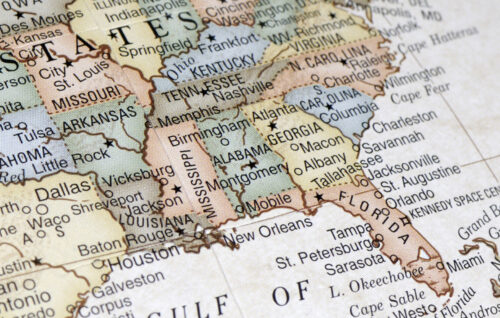
The Electric Furnace Fix: How Replacing Air Conditioners with Heat Pumps Reduces Electric Heating Bills and Winter Peak Demand in the U.S. South
Helping millions of Southern households shift most of their heating from inefficient electric resistance to heat pumps would dramatically lower utility bills and ease strain on the grid.
Energy Efficiency Programs for Large Savings in the Next Decade
Expanded utility-funded energy efficiency programs can significantly slow rising electricity demand and reduce electricity bills; this report explains how.
Bridging the Equity Gap for Utility Energy Efficiency Programs
Utility energy efficiency programs have increased investment in low-income households, but significant gaps remain. This report examines spending and savings trends across 48 major U.S. utilities, identifies barriers to expanding low-income programs and highlights policies and program strategies that can improve energy affordability and equitable access to efficiency upgrades.
Support the Work That Makes Energy Go Further
ACEEE’s independent research and advocacy depend on the support of foundations, businesses, and individuals committed to cutting energy bills, waste, and climate pollution.