ACEEE | American Council for an Energy-Efficient Economy
Jan 13, 2020
Electrifying Trucks: From Delivery Vans to Buses to 18-Wheelers
Electrification of trucks and buses can bring many benefits, including energy savings, reduced emissions, and lower fuel and maintenance costs. Currently, however, these vehicles are more expensive…
Electrification of trucks and buses can bring many benefits, including energy savings, reduced emissions, and lower fuel and maintenance costs. Currently, however, these vehicles are more expensive up front, often have a reduced range compared to conventional trucks, and must depend on limited charging infrastructure. Efforts to address these limitations are now underway, and experts expect electric trucks to be widespread by 2040. This paper summarizes the current state of play on such topics as electric truck benefits and challenges, current and imminent models, charging, electric rates, and policy.
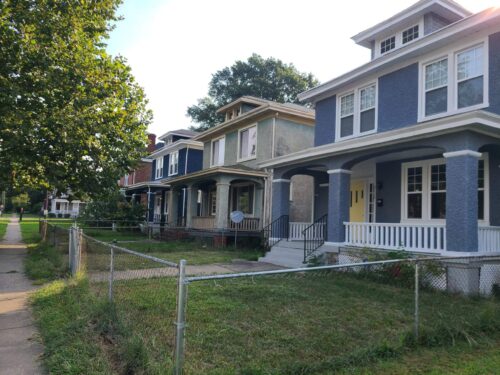
Bridging the Equity Gap for Utility Energy Efficiency Programs
Utility energy efficiency programs have increased investment in low-income households, but significant gaps remain. This report examines spending and savings trends across 48 major U.S. utilities, identifies barriers to expanding low-income programs and highlights policies and program strategies that can improve energy affordability and equitable access to efficiency upgrades.
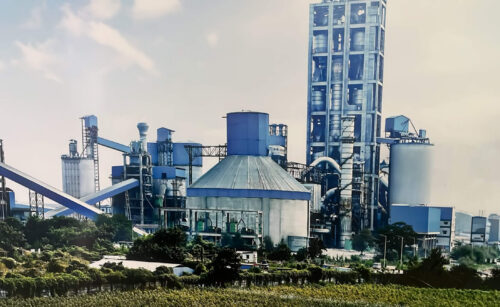
This report identifies pathways for India’s cement industry to decarbonise at a pace compatible with the national climate goal of net-zero emissions by 2070.
Congress Can Cut Freight Costs and Consumer Prices by Addressing Key Issues in the BUILD America 250 Act
The BUILD America 250 Act, advanced by the U.S. House Transportation and Infrastructure Committee, would eliminate or weaken many programs that help lower transportation …
Home Energy Reports and Beyond: Meeting the Moment with Behavior-Based Energy Efficiency
Home energy report programs, in which utilities provide households with personalized insights into their energy use and tips to lower their bills, are a…
Support the Work That Makes Energy Go Further
ACEEE’s independent research and advocacy depend on the support of foundations, businesses, and individuals committed to cutting energy bills, waste, and climate pollution.