ACEEE | American Council for an Energy-Efficient Economy
Aug 1, 2024
Electric Loads by State in 2030 from Medium- and Heavy-Duty Electric Vehicles
This brief analyzes the impacts of electric medium- and heavy-duty vehicles (e.g., trucks and buses) on hourly electric demand by state. We find that by 2030, these vehicles will add about 1,000 me…
This brief analyzes the impacts of electric medium- and heavy-duty vehicles (e.g., trucks and buses) on hourly electric demand by state. We find that by 2030, these vehicles will add about 1,000 megawatts (MW) to peak load in Texas, about 500 MW to peak load in California, and 200–500 MW of peak load in 14 other states. These new loads should be factored into electric system planning, including generation, transmission, and distribution. Often these loads will be on specific distribution circuits and will sometimes require new or expanded substations. Since new and expanded substations can take five years or more to propose, design, and build, plans need to be made today for loads expected by 2030.
Energy Efficiency Programs for Large Savings in the Next Decade
Expanded utility-funded energy efficiency programs can significantly slow rising electricity demand and reduce electricity bills; this report explains how.
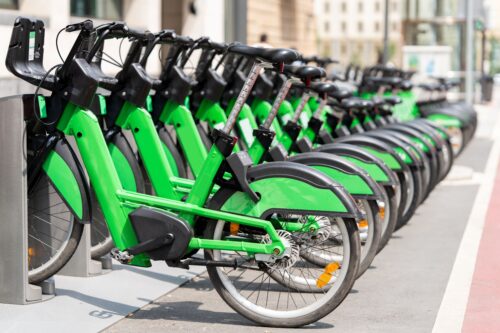
Explore practical strategies, best practices and case studies for planning and implementing clean transportation projects, including electric vehicles, e-bike programs and charging infrastructure, with a focus on improving mobility, reducing costs and expanding transportation access in underserved communities.
Bridging the Equity Gap for Utility Energy Efficiency Programs
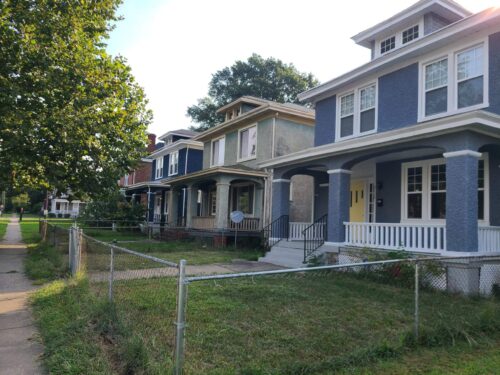
Utility energy efficiency programs have increased investment in low-income households, but significant gaps remain. This report examines spending and savings trends across 48 major U.S. utilities, identifies barriers to expanding low-income programs and highlights policies and program strategies that can improve energy affordability and equitable access to efficiency upgrades.
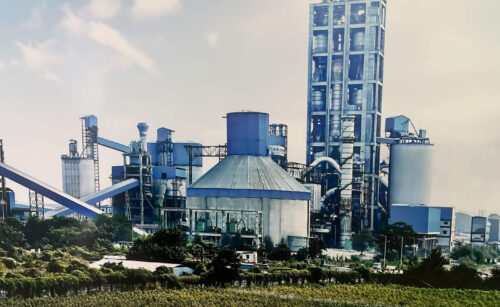
This report identifies pathways for India’s cement industry to decarbonise at a pace compatible with the national climate goal of net-zero emissions by 2070.
Support the Work That Makes Energy Go Further
ACEEE’s independent research and advocacy depend on the support of foundations, businesses, and individuals committed to cutting energy bills, waste, and climate pollution.