ACEEE | American Council for an Energy-Efficient Economy
Feb 1, 2010
Where Have All the Data Gone? The Crisis of Missing Energy Efficiency Data
Energy efficiency represents one of the most effective resources for addressing the challenges of climate change, economic productivity, and national security. All levels of government, and many bu…
Where Have All the Data Gone? The Crisis of Missing Energy Efficiency Data
Complete the form to access this resource.
Energy efficiency represents one of the most effective resources for addressing the challenges of climate change, economic productivity, and national security. All levels of government, and many businesses, rely upon accurate energy efficiency analyses in order to shape policy and outline business growth plans. Significant increases in investment in energy efficiency in federal and state legislation (like the ARRA 2009, or stimulus, spending) and private sector investment necessitate improved data collection. The role of good, reliable, and timely data becomes even more imperative given the scale of energy efficiency investment necessary to tackle the climate change problem.
Dependable and accurate analyses require good energy and market data, much of which has historically been collected by the Energy Information Administration (EIA) and other governmental data agencies. In the past twenty years, Congress has consistently under-funded these data collection agencies, leading to spotty and uneven data quality, and resulting in information gaps that impede good analysis.
This report identifies existing data gaps and provides justification for enhanced funding of data collection related to energy efficiency in FY 2011 and beyond.
ACEEE has compiled data on EIA funding levels over the past 32 years.
Energy Efficiency Programs for Large Savings in the Next Decade
Expanded utility-funded energy efficiency programs can significantly slow rising electricity demand and reduce electricity bills; this report explains how.
Bridging the Equity Gap for Utility Energy Efficiency Programs
Utility energy efficiency programs have increased investment in low-income households, but significant gaps remain. This report examines spending and savings trends across 48 major U.S. utilities, identifies barriers to expanding low-income programs and highlights policies and program strategies that can improve energy affordability and equitable access to efficiency upgrades.
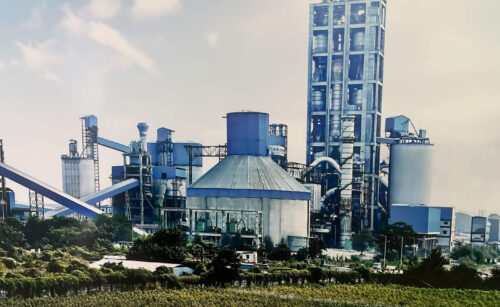
This report identifies pathways for India’s cement industry to decarbonise at a pace compatible with the national climate goal of net-zero emissions by 2070.
Home Energy Reports and Beyond: Meeting the Moment with Behavior-Based Energy Efficiency
Home energy report programs, in which utilities provide households with personalized insights into their energy use and tips to lower their bills, are a…
Support the Work That Makes Energy Go Further
ACEEE’s independent research and advocacy depend on the support of foundations, businesses, and individuals committed to cutting energy bills, waste, and climate pollution.