ACEEE | American Council for an Energy-Efficient Economy
Feb 27, 2017
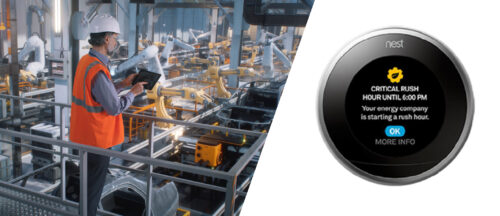
Smart Buildings: Using Smart Technology to Save Energy in Existing Buildings
Smart buildings use information and communication technologies to integrate building systems and to automate operations and control. They consume less energy than conventional buildings while enhan…
Smart Buildings: Using Smart Technology to Save Energy in Existing Buildings
Complete the form to access this resource.
Smart buildings use information and communication technologies to integrate building systems and to automate operations and control. They consume less energy than conventional buildings while enhancing occupants’ comfort and productivity. This report provides an in-depth look at various smart technologies for commercial building end uses including HVAC, lighting, and plug loads. We evaluate the benefits and challenges involved in installing smart technology in existing buildings, and we document energy savings from the component to the whole building level. A key section of the report analyzes current energy efficiency programs that encourage the use of smart technology in commercial building retrofits.
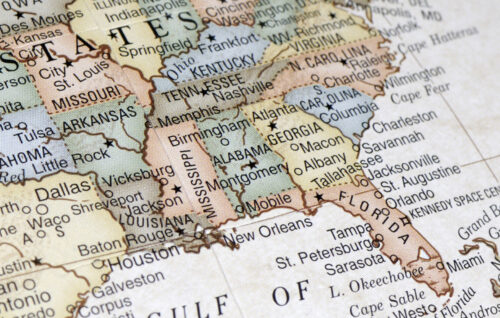
The Electric Furnace Fix: How Replacing Air Conditioners with Heat Pumps Reduces Electric Heating Bills and Winter Peak Demand in the U.S. South
Helping millions of Southern households shift most of their heating from inefficient electric resistance to heat pumps would dramatically lower utility bills and ease strain on the grid.
Energy Efficiency Programs for Large Savings in the Next Decade
Expanded utility-funded energy efficiency programs can significantly slow rising electricity demand and reduce electricity bills; this report explains how.
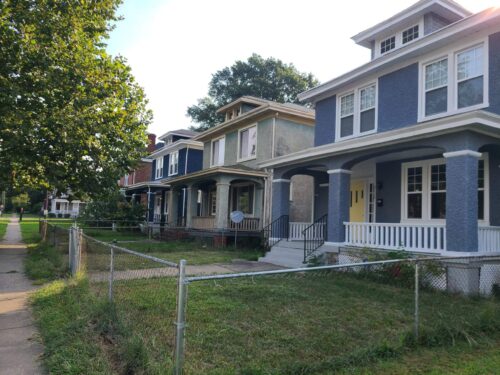
Bridging the Equity Gap for Utility Energy Efficiency Programs
Utility energy efficiency programs have increased investment in low-income households, but significant gaps remain. This report examines spending and savings trends across 48 major U.S. utilities, identifies barriers to expanding low-income programs and highlights policies and program strategies that can improve energy affordability and equitable access to efficiency upgrades.
Support the Work That Makes Energy Go Further
ACEEE’s independent research and advocacy depend on the support of foundations, businesses, and individuals committed to cutting energy bills, waste, and climate pollution.