ACEEE | American Council for an Energy-Efficient Economy
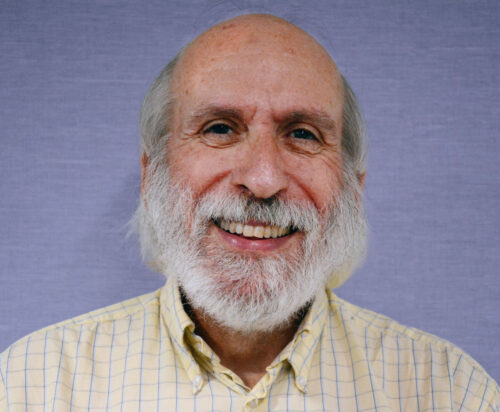
Steven Nadel
Senior Fellow
Steven Nadel joined ACEEE in 1989 and was has served as executive director since 2001. Before his promotion he served as deputy director and director of ACEEE’s Utilities and Buildings programs. Before ACEEE, Steve worked for Massachusetts’ largest electric utility and largest environmental group and worked with an inner city housing organization in Connecticut. He has worked in the energy efficiency field for more than 40 years and has over 200 publications. His current research interests include energy and climate change policy; strategies to decarbonize the buildings, transportation and industrial sectors; utility-sector energy efficiency programs and policies; and appliance and equipment efficiency standards. Steve earned a MS in energy management from the N.Y. Institute of Technology and a MA in environmental studies and BA in government from Wesleyan University.
Electrifying Truck Fleets: Utility Infrastructure Is Crucial
As electric grids get cleaner, the use of electric trucks and passenger vehicles becomes a central decarbonization strategy. Many trucks belong to fleets, including fleets of delivery vehicles, bus…
Energy Efficiency And Demand-Response: Tools To Address Texas’ Reliability Challenges
This white paper, building on a preliminary summary version published in May 2021, shows that Texas policymakers could tackle spiking summer and winter power demands while reducing—not raising—over…
How Utility Energy Efficiency Programs Can Use New Federal Funding
The federal Inflation Reduction Act (IRA) and Bipartisan Infrastructure Law (BIL) together provide approximately $50 billion for energy efficiency implementation. The programs funded by these laws …
Using Monitoring-Based Building Commissioning to Achieve Substantial Energy, Demand and Emissions Savings
Monitoring Based Commissioning (MBCx) is a process that maintains and continuously improves building performance over time. We examined six leading programs, looking at energy and demand savings, c…
ACEEE’s independent research and advocacy depend on the support of foundations, businesses, and individuals committed to cutting energy bills, waste, and climate pollution.