Skip to Content

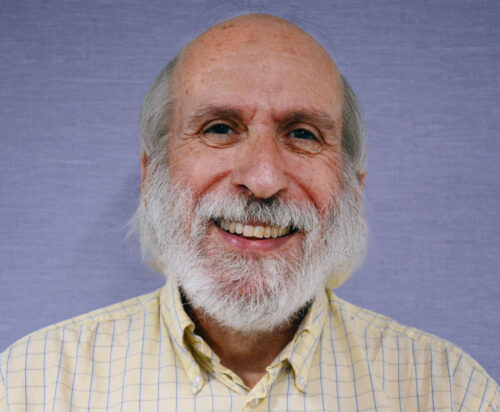
Steven Nadel

Senior Fellow

Steven Nadel joined ACEEE in 1989 and was has served as executive director since 2001. Before his promotion he served as deputy director and director of ACEEE’s Utilities and Buildings programs. Before ACEEE, Steve worked for Massachusetts’ largest electric utility and largest environmental group and worked with an inner city housing organization in Connecticut. He has worked in the energy efficiency field for more than 40 years and has over 200 publications. His current research interests include energy and climate change policy; strategies to decarbonize the buildings, transportation and industrial sectors; utility-sector energy efficiency programs and policies; and appliance and equipment efficiency standards. Steve earned a MS in energy management from the N.Y. Institute of Technology and a MA in environmental studies and BA in government from Wesleyan University.

Expertise:

  • Energy policy
  • Appliance standards
  • Utility programs and policies
  • Developing country issues

Authored by Steven Nadel

Natural Gas Price Effects of Energy Efficiency and Renewable Energy Practices and Policies
  • Research Report
  • Utilities and the Power Sector
  • Natural Gas Price Effects of Energy Efficiency and Renewable Energy Practices and Policies

    ACEEE conducted this ground-breaking analysis to determine the near-term impact of modest increases in energy efficiency and renewable energy on wholesale natural gas prices. Assisted by the state-…

    Dec 1, 2003

    Energy Efficiency’s Next Generation: Innovation at the State Level
  • Research Report
  • Energy Efficiency Policy
  • Utilities and the Power Sector
  • Energy Efficiency’s Next Generation: Innovation at the State Level

    Since the 1970s, state governors and legislatures have often led the way on energy policy, from appliance standards to public benefit efficiency programs. States have been the laboratories of progr…

    Nov 1, 2003

    Support the Work That Makes Energy Go Further

    ACEEE’s independent research and advocacy depend on the support of foundations, businesses, and individuals committed to cutting energy bills, waste, and climate pollution.