ACEEE | American Council for an Energy-Efficient Economy
Lowell Ungar
Director of Federal Policy
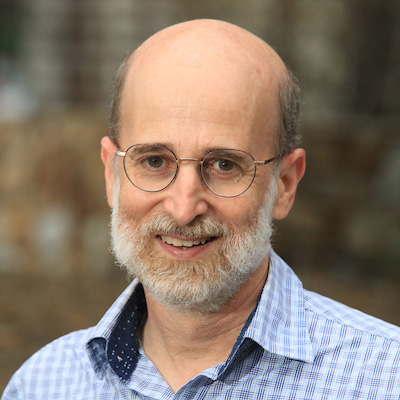
Lowell Ungar leads the federal policy program at ACEEE. He develops legislative proposals, builds stakeholder and policymaker support for them, promotes administrative actions under existing authorities, and analyzes existing and proposed policies and programs. He has worked on policies in all economic sectors and often leads cross-cutting research on potential policy impacts. He joined ACEEE in 2013.
Prior to joining ACEEE, Lowell was director of policy at the Alliance to Save Energy. He played a key role in enacting legislation on building energy codes, appliance efficiency standards, tax incentives, funding, federal energy management, and other areas. He also co-wrote reports mostly on buildings and utility policy issues. Before working at the Alliance he was a legislative aide in both the U.S. Senate and the House of Representatives.
Lowell earned a PhD in physical chemistry from the University of Chicago and a BS in chemistry with distinction and with honors in humanities from Stanford University.
Efficient New Homes With Federal Support Will Save Money, Create Jobs, and Cut Emissions
Although building energy-efficiency codes are set at the state or local level, the federal government sets national energy-efficiency criteria for many of the new and rehabilitated homes that it su…
Efficient New Homes With Federal Support Will Save Money, Create Jobs, and Cut Emissions
Although building energy-efficiency codes are set at the state or local level, the federal government sets national energy-efficiency criteria for many of the new and rehabilitated homes that it su…
Strong Universal Energy Efficiency Standards Will Make Manufactured Homes More Affordable
Manufactured homes (sometimes called mobile homes) make up about 7% of the new homes built each year and are an essential source of affordable housing—about half of residents are low-income. Howeve…
Clean Infrastructure: Efficiency Investments for Jobs, Climate, and Consumers
Energy efficiency investments in an infrastructure bill could result in more than 3 million more people working for a year (job-years), more than 4 billion tons of reduced carbon dioxide emissions,…
ACEEE’s independent research and advocacy depend on the support of foundations, businesses, and individuals committed to cutting energy bills, waste, and climate pollution.