Guide to Regional Energy Efficiency Standards
On October 13, 2009, the Air-Conditioning, Heating and Refrigeration Institute (AHRI) signed an agreement with environmental advocates and other groups, notably the California Energy Commission and…

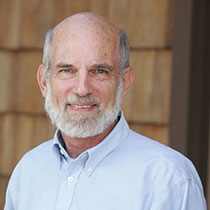
Harvey Sachs is a Visiting Fellow who works on building codes, standards, and market transformation for the residential and commercial sectors. Market transformation activities include evaluating emerging technologies, and specific programs for energy-saving technologies and practices. He joined ACEEE in 2001 as director of the Buildings Program.
Prior to joining ACEEE, Harvey trained as a geological oceanographer (PhD. Brown University). He joined the faculty at CWRU, and then Princeton U faculty. Harvey turned his focus to indoor air pollution and energy efficiency while at Princeton. He worked on radon distribution and diagnostics, asbestos, and formaldehyde. Harvey’s policy and program background includes service as assistant commissioner in the New Jersey Department of Commerce, Energy, and Economic Development, and as policy director of the Center for Global Change, University of Maryland.
Harvey was technical director of the Geothermal Heat Pump Consortium, responsible for its research and development, environmental programs, and education and training. He was active in ASHRAE for decades, with service on several technical committees, national committees, and Presidential Ad Hoc committees.
Expertise:
On October 13, 2009, the Air-Conditioning, Heating and Refrigeration Institute (AHRI) signed an agreement with environmental advocates and other groups, notably the California Energy Commission and…
Emerging technologies represent the newest segment of products with the potential to reduce energy consumption. Periodic reviews of these technologies enables concentration on developing the strong…
This report explores the opportunity for substantial energy savings from premium central air conditioner features that are undervalued because they do not raise efficiency ratings on the federal te…
Despite the enormous range of summer climate conditions in the US, central air conditioners everywhere have been rated by a single measure, SEER. This study examined alternatives that would require…
Elevator energy consumption in North American office buildings with central air conditioning systems is generally considered to be about 5% of building electricity use. Although the amount is relat…
This study highlights selected technologies and practices ("T&Ps") which promise to save at least 0.25% of U.S. annual energy use by 2020; which avoid large "lost opportunities&q…
Adopting new energy-efficient technologies and practices is key for reducing energy consumption and maintaining economic growth. As efficient technologies and practices (T&Ps) increase their market…
The air handlers of forced air gas furnaces provide the energy to move air through the furnace (and central air conditioner), and distribute it to the rooms of a house. The amount of electricity th…
ACEEE’s independent research and advocacy depend on the support of foundations, businesses, and individuals committed to a cleaner, more affordable energy future for all Americans.